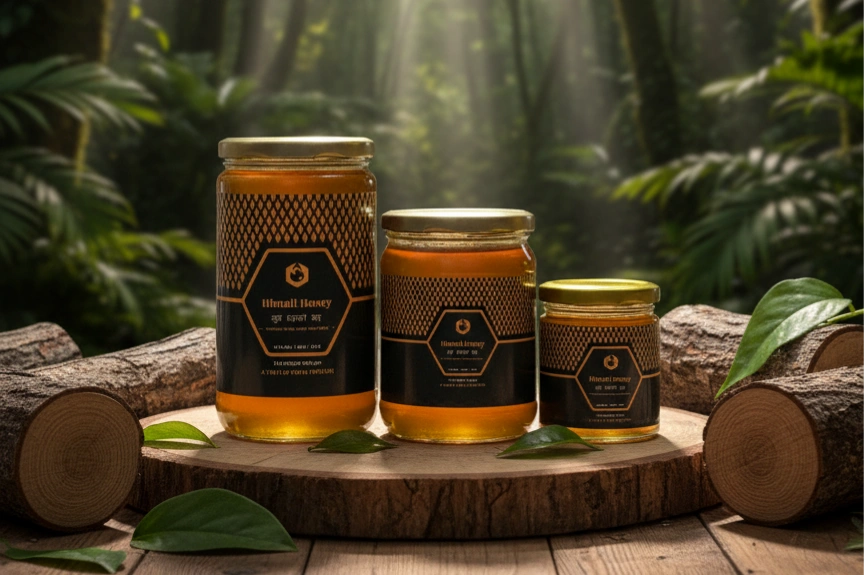
Mude Ghaar Maha (Wooden Trunk Honey)
Achham highlands in far-western Nepal,
where elevations reach 3,820 meters. This distance from crowdy population creates the ultimate natural haven for bees, thanks to its unpolluted air and abundant wildflowers. The flavor and powerful antioxidant properties of honey are a direct result of the purity of the bees' environment. Even honey from commercial farms (where bees might be near controlled fields or treated flowers), cannot guarantee this level of separation. But in Achham, everything is naturally different. The elevation guarantees purer water and air, resulting in honey that is naturally richer in flavors and significantly higher in natural antioxidant levels.
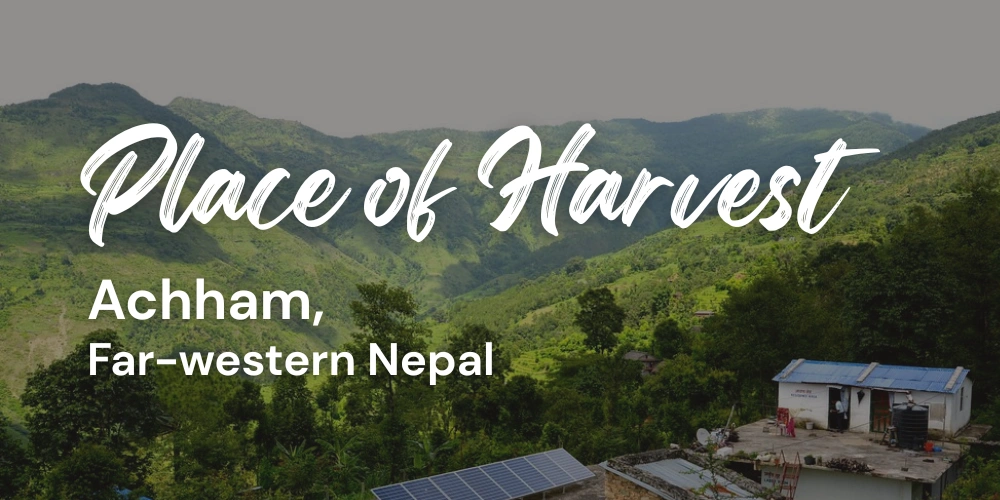
Achham highlands in far-western Nepal,
where elevations reach 3,820 meters. This distance from crowdy population creates the ultimate natural haven for bees, thanks to its unpolluted air and abundant wildflowers. The flavor and powerful antioxidant properties of honey are a direct result of the purity of the bees' environment. Even honey from commercial farms (where bees might be near controlled fields or treated flowers), cannot guarantee this level of separation. But in Achham, everything is naturally different. The elevation guarantees purer water and air, resulting in honey that is naturally richer in flavors and significantly higher in natural antioxidant levels.
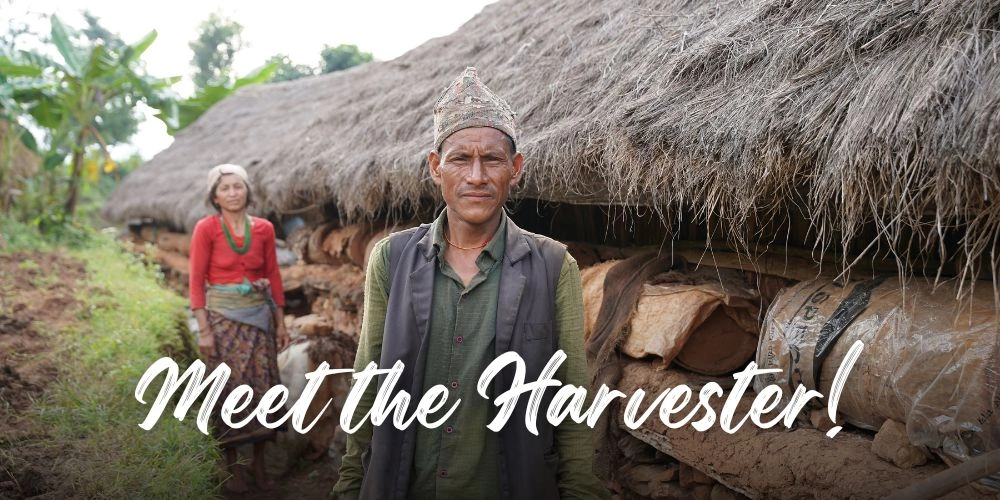
Meet Bhim Bahadur Budha
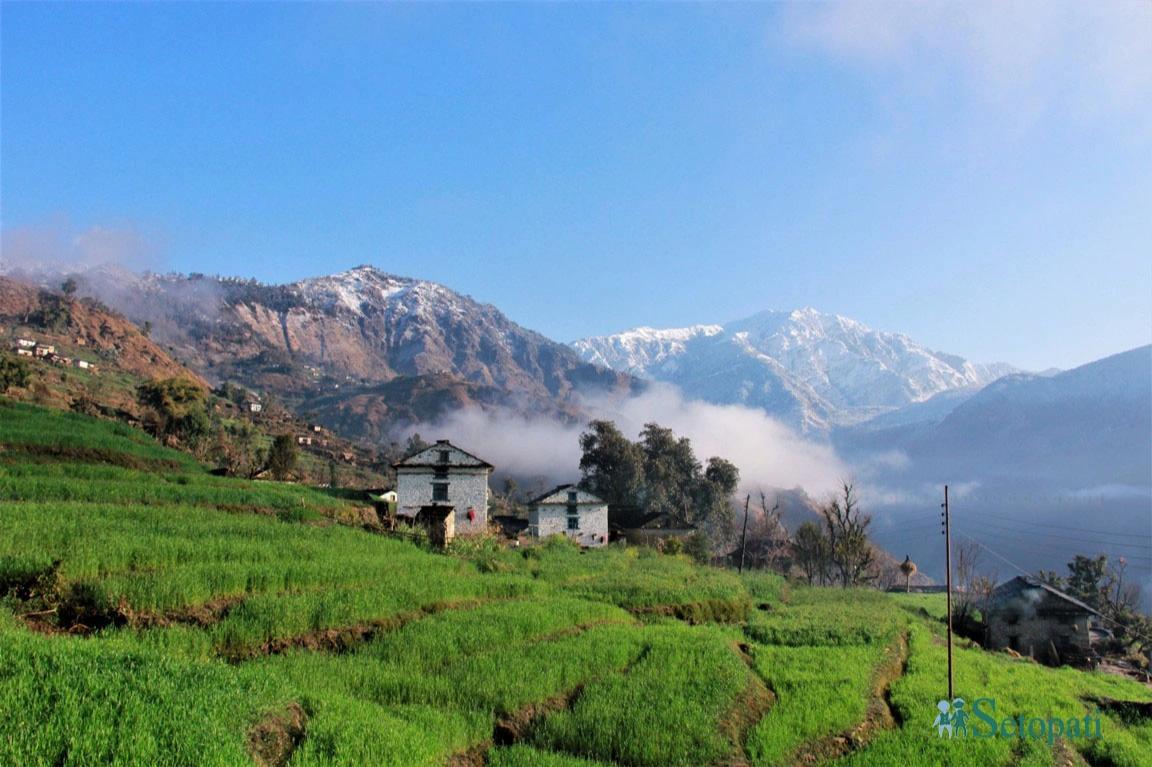
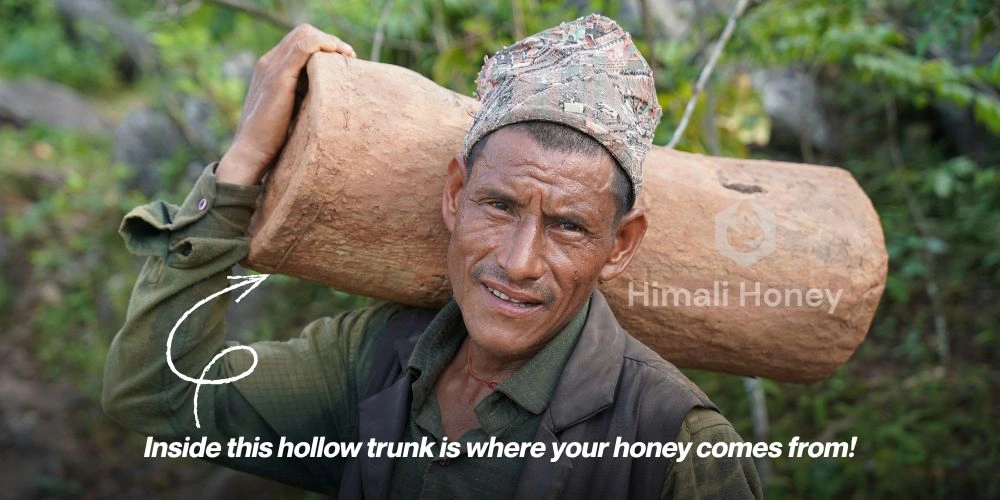
High in the wild hills of Achham, far in western Nepal, lives 50-year-old Bhim Bahadur Budha - quiet guardian of bees. His home, surrounded by deep forests, shelters 75 wooden hives that hum with life.
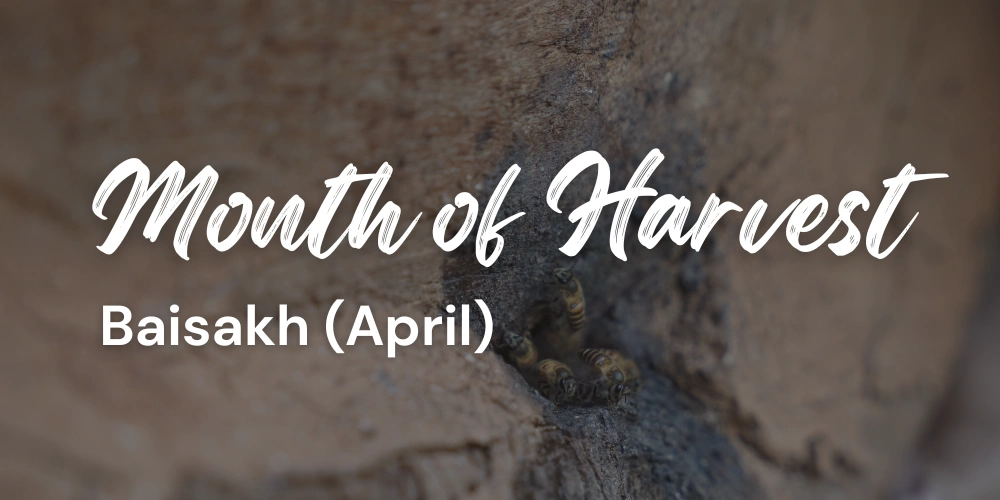
Beekeeping runs in his family. What began with his grandfather has become Bhim’s lifelong rhythm; a bond with nature that’s lasted over 30 years. Twice a year, he harvests hone. Mostly in Mangsir, when the air is cool, the flowers are plenty, and the honey turns thick and golden. Other months like Jestha & Asar bring lighter, thinner honey, each with its own distinct color and taste.
Nature decides everything: too much rain or too much dryness, and the harvest shrinks. The bees rely entirely on wild forest flowers for their nectar, collecting their food and water straight from nature.
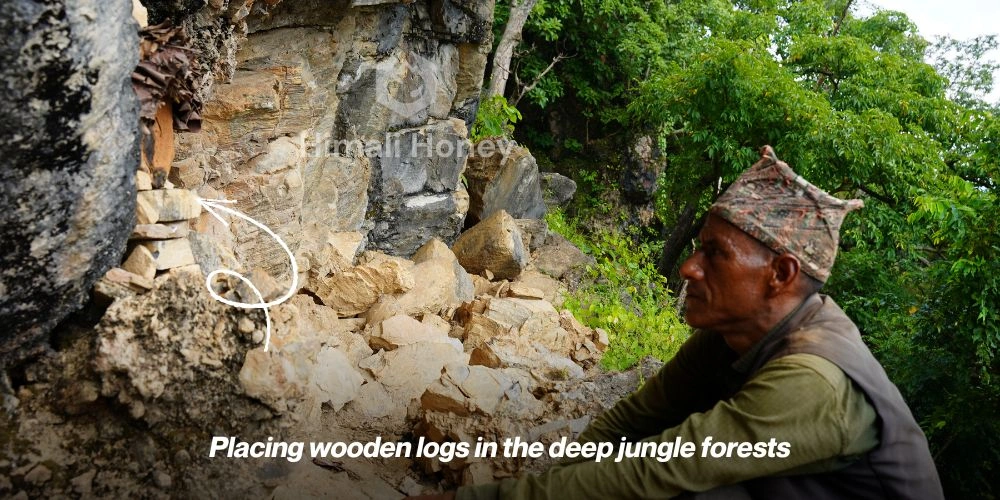
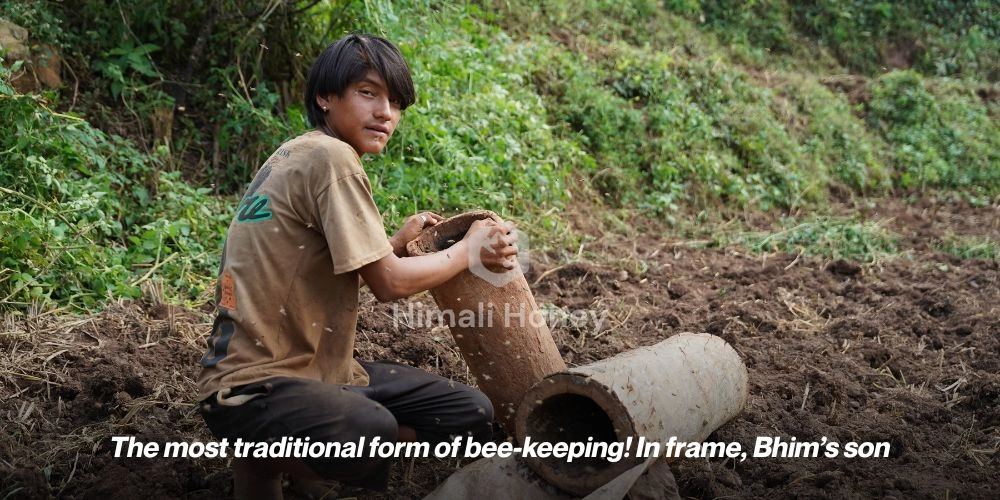
The hives themselves are crafted by the beekeepers - hollowed wooden logs placed deep within the forest. Wild bees naturally make their homes inside, building hives untouched by human hands. When the colonies grow strong, the logs are gently carried to the village and kept inside mud houses, where they stay protected from predators and harsh weather.
Here, the bees roam freely, gathering nectar from wild mountain flowers. No chemicals, no pesticides, just nature. The wooden logs keep them warm through cold winds and safe through the rains, allowing them to create honey in peace, as they always have.
Know your Honey!