Dhorche Lama
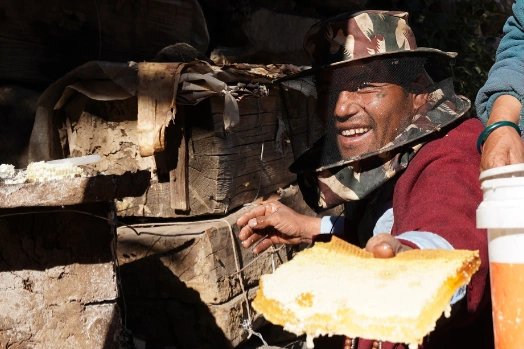
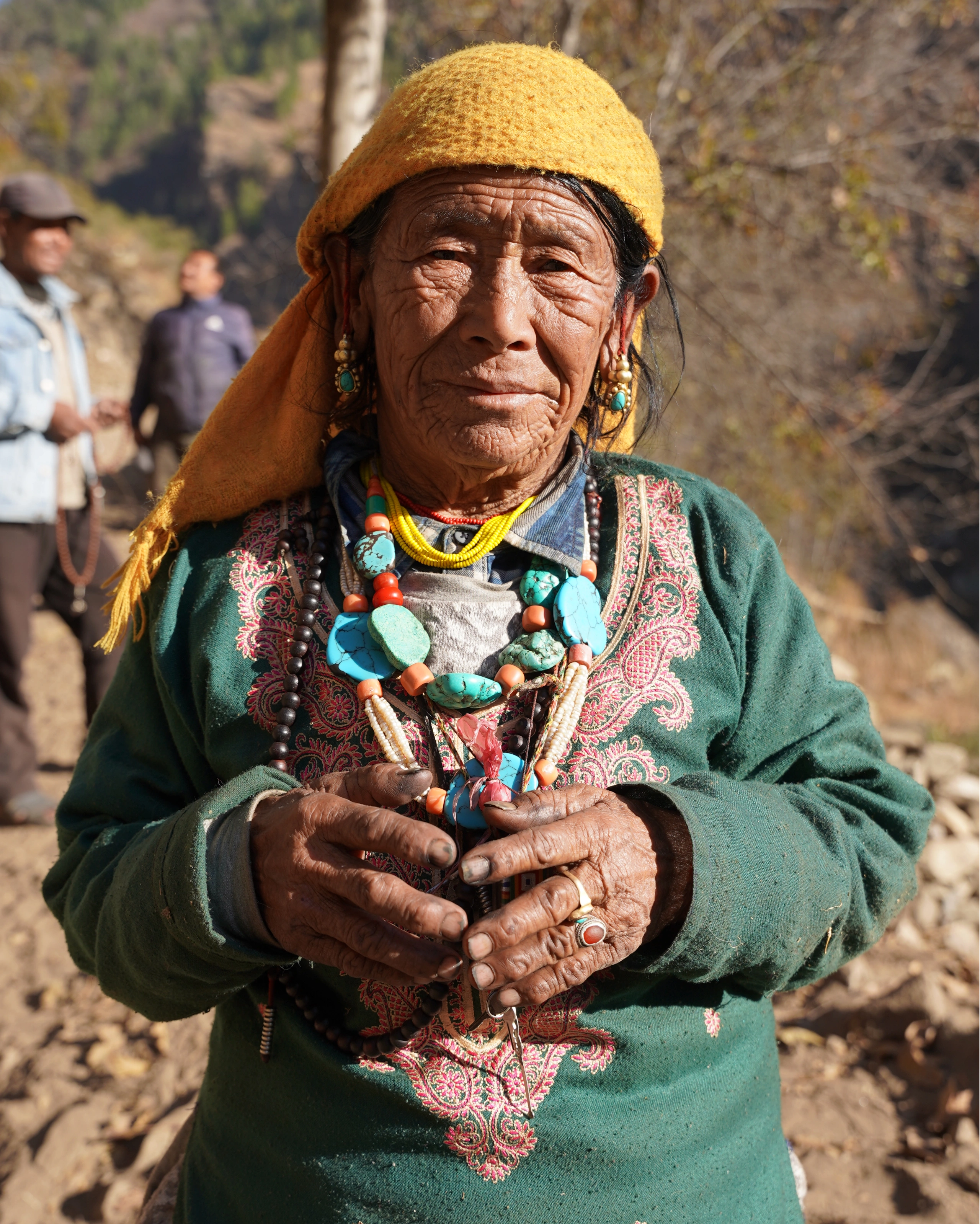
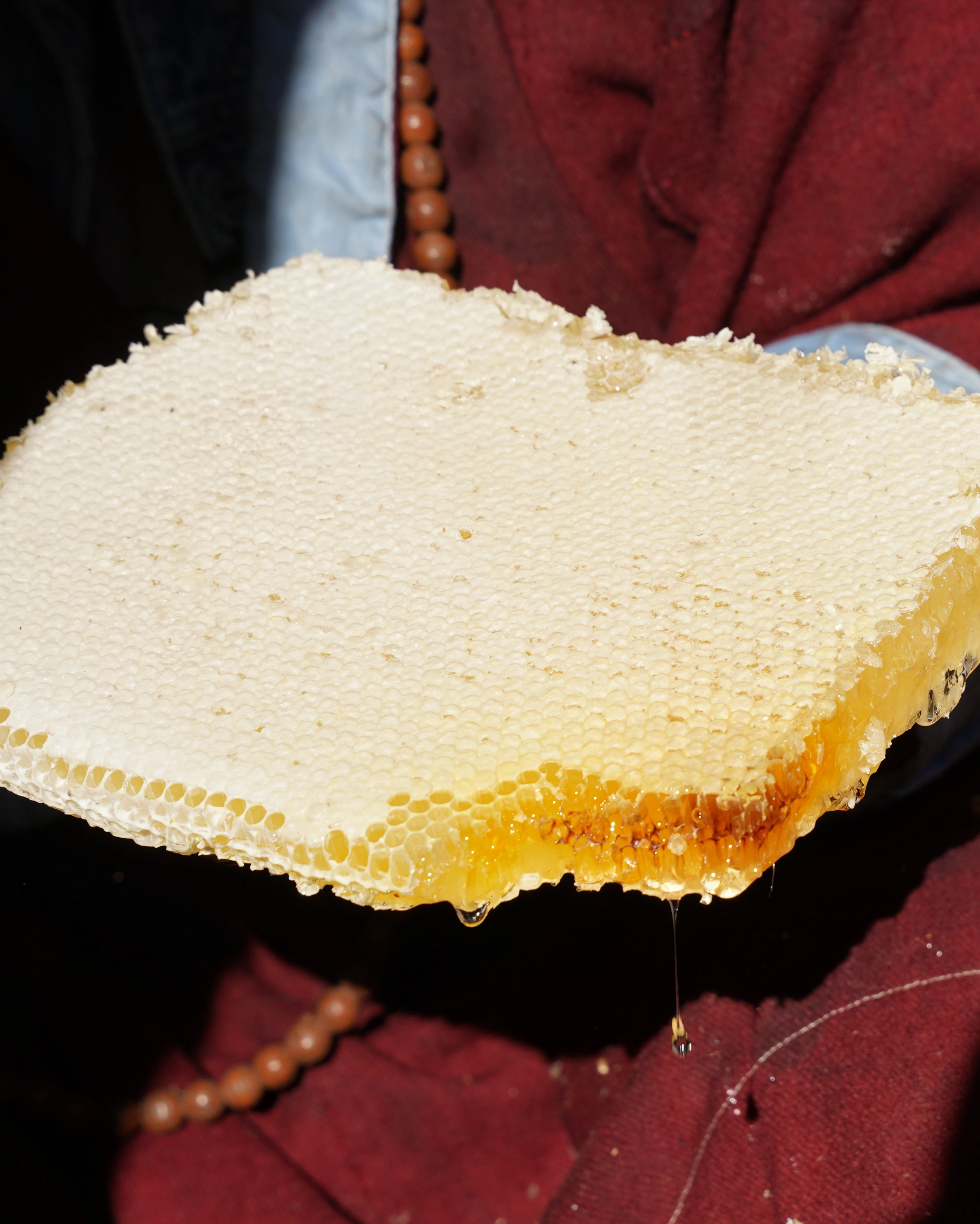
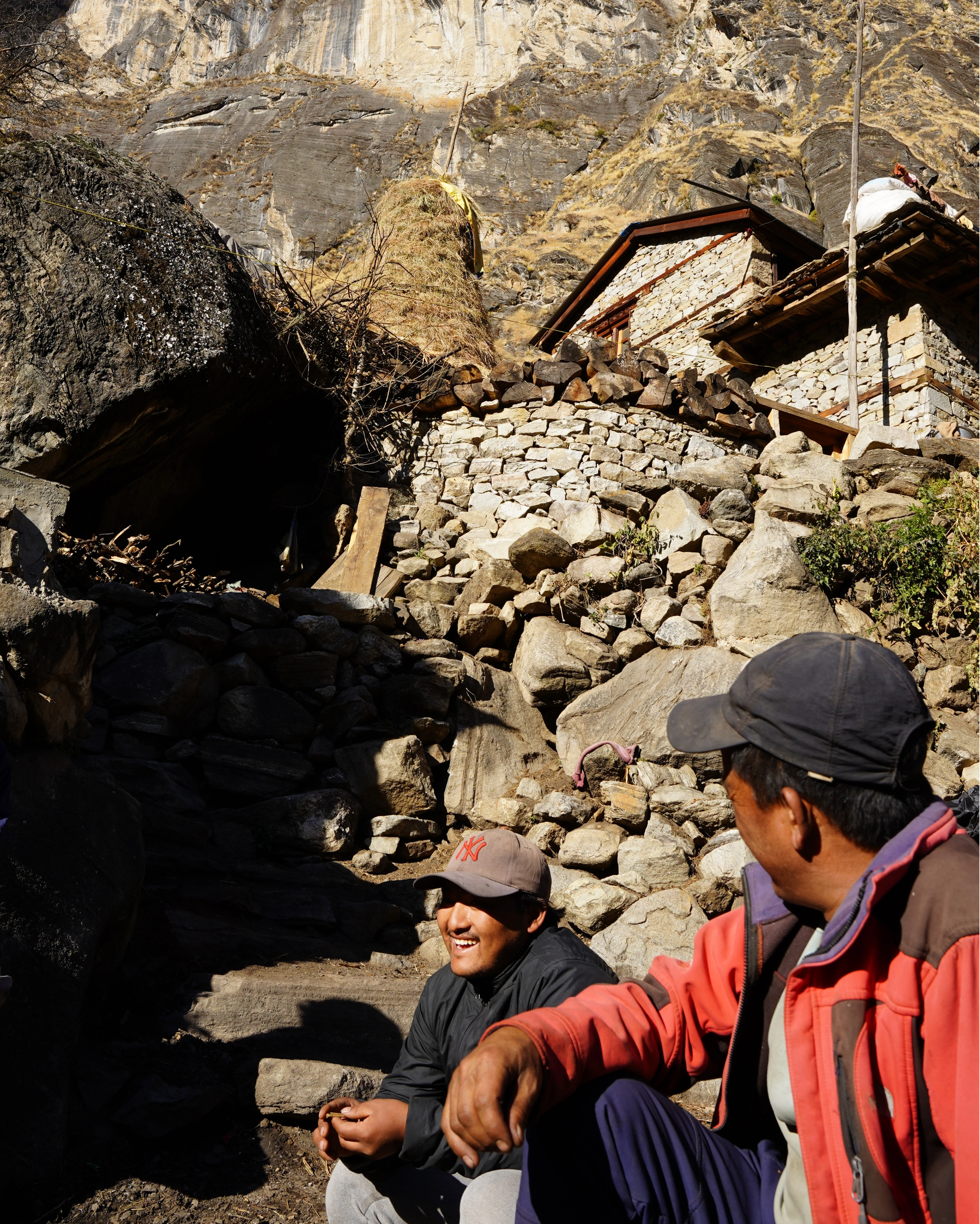
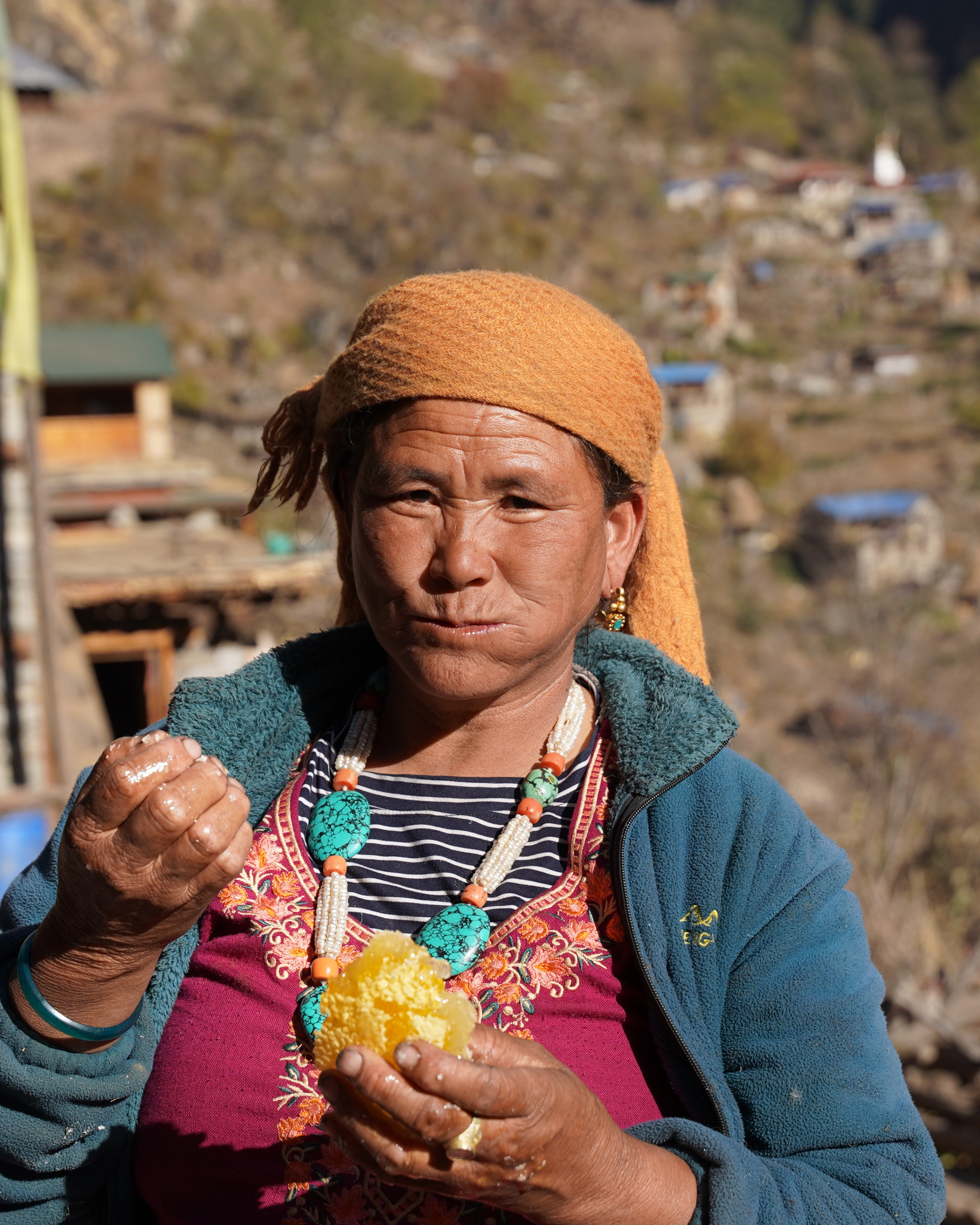
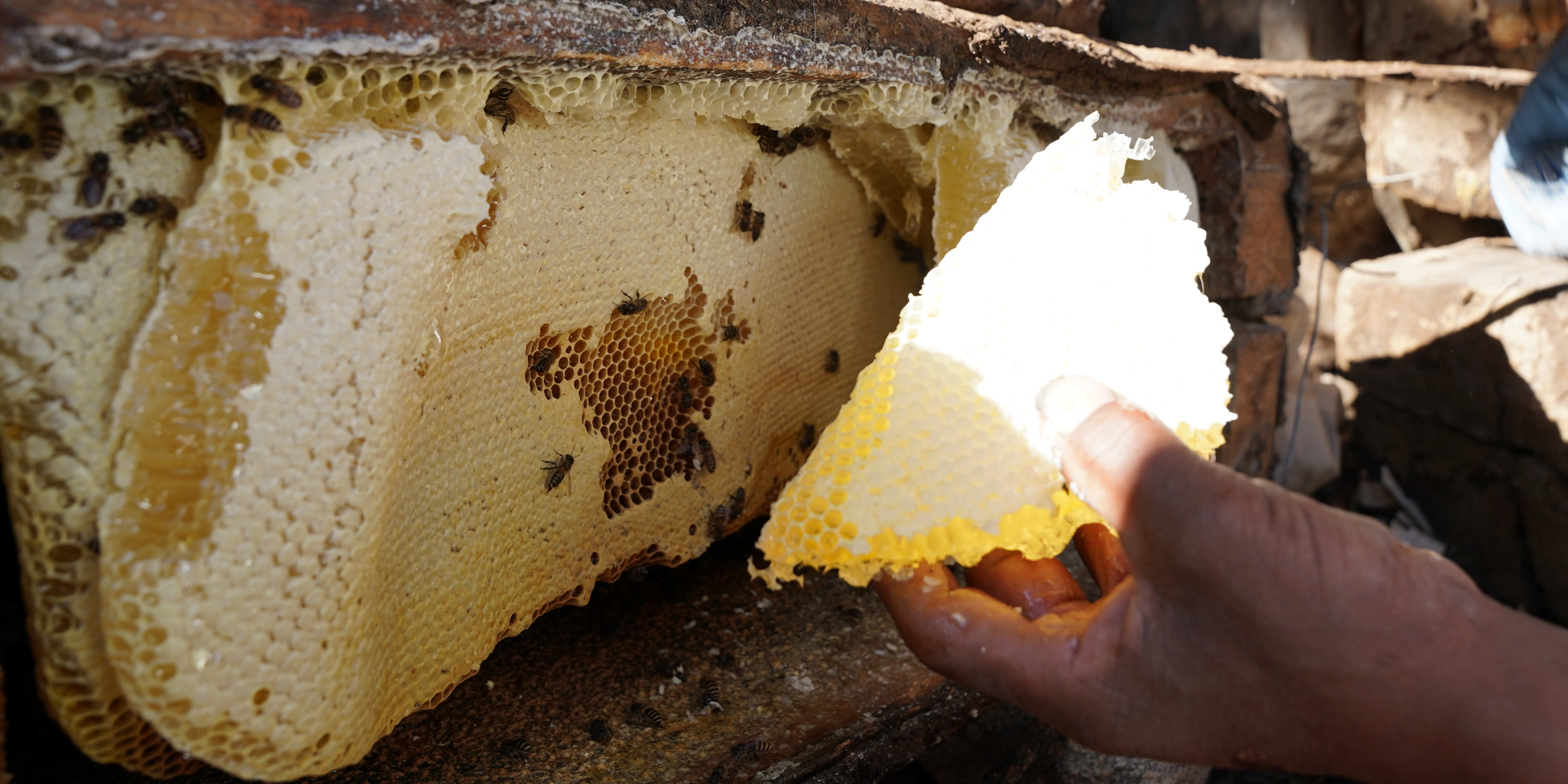
In the western Himalayas of Nepal, near the Nepal–Tibet border, a small farming community lives at high altitude, where winters cover the village in snow for nearly four months each year. Beyond their settlement, there are no other Nepali communities. The families depend on agriculture and animals, growing phappar, chino, kaguno, simi, and kodo, alongside harvesting honey. Both farming and honey collection are done only once a year, shaped by extreme weather and isolation. The white cream honey is harvested in mid-November at elevations of nearly 3,000 meters by three senior harvesters: Dhorje Lama (50), the leader, along with Karki Lama (55) and Samtang Lama (60). The short harvesting window and harsh climate require experience, speed, and courage. For them, honey harvesting is not a business, but a tradition passed down through generations.
--Mustard Honey--
Leel Bahadur Rana and Jaya Raj Sharma
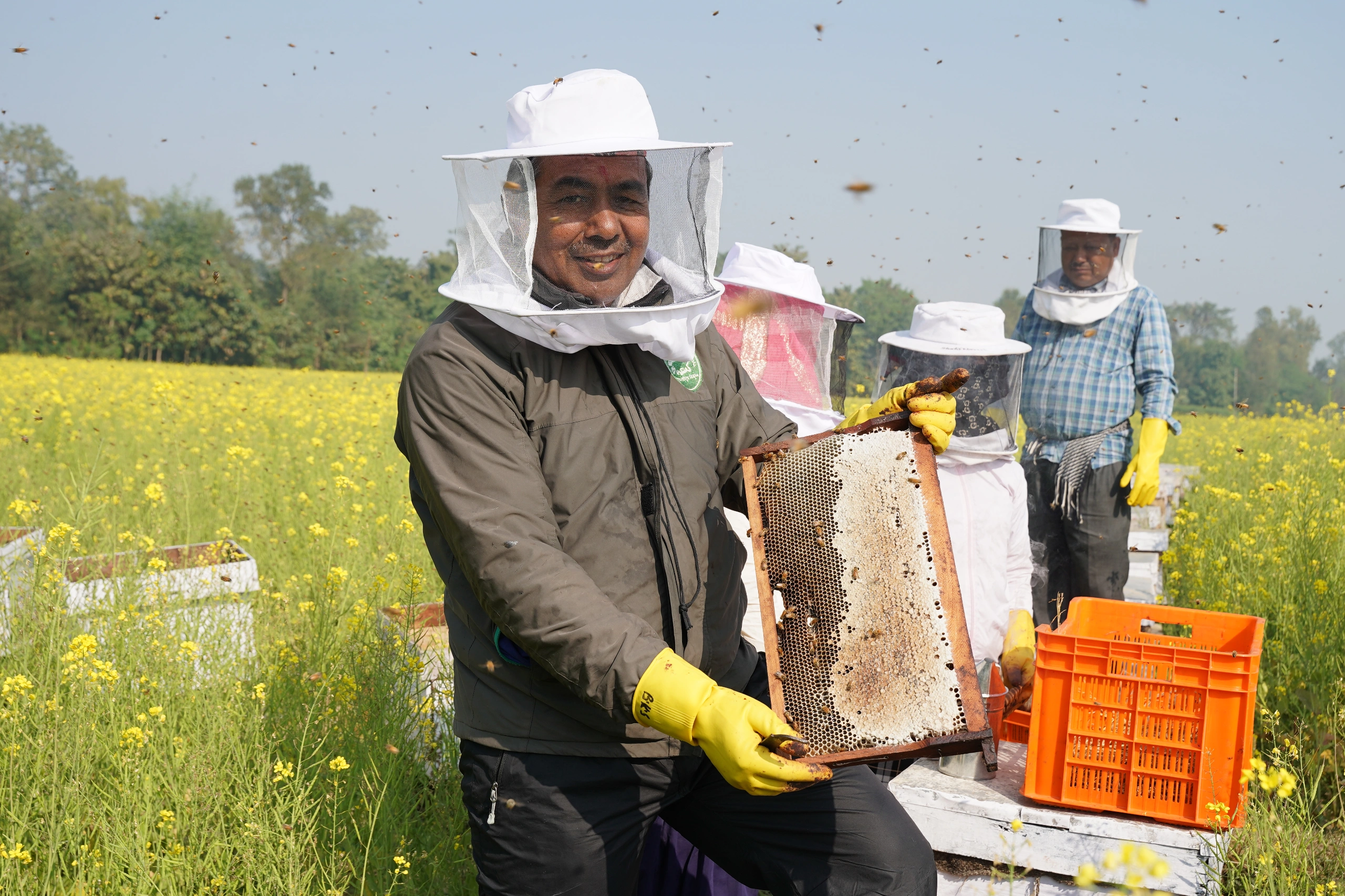
Mustard honey is harvested by Leel Bahadur Rana and Jaya Raj Sharma, both retired teachers who have chosen to dedicate this chapter of their lives to the inner beauty of Nepal. After years spent educating others, they now work closely with nature, carrying the same patience, discipline, and care into beekeeping. Each of them maintains 150 to 200 hives, carefully managed and tended throughout the year. Unlike high-altitude honey, mustard honey allows multiple harvests, and they collect it four to five times annually, depending on flowering cycles and weather conditions. The main harvest season falls between September, October, and November, when the mustard bloom is at its peak. Their bees forage freely in surrounding natural forests, feeding on rudhilo, sishaur, jamun, and mustard flower pollens. No artificial feeding is used. The diversity of forest flora plays a vital role in the honey’s character, aroma, and natural richness. For Leel Bahadur Rana and Jaya Raj Sharma, honey harvesting is not about scale or speed. It is careful, consistent work guided by experience and respect for the land. What they produce reflects years of teaching, learning, and choosing to give back quietly, through work that nurtures both people and nature.
--Mude Ghaar Maha--
(Wooden Trunk Honey)
Bhim Bahadur Budha
High in the wild hills of Achham, far in western Nepal, lives 50-year-old Bhim Bahadur Budha - quiet guardian of bees. His home, surrounded by deep forests, shelters 75 wooden hives that hum with life. Beekeeping runs in his family. What began with his grandfather has become Bhim’s lifelong rhythm; a bond with nature that’s lasted over 30 years. Twice a year, he harvests hone. Mostly in Mangsir, when the air is cool, the flowers are plenty, and the honey turns thick and golden. Other months like Jestha & Asar bring lighter, thinner honey, each with its own distinct color and taste. Nature decides everything: too much rain or too much dryness, and the harvest shrinks. The bees rely entirely on wild forest flowers for their nectar, collecting their food and water straight from nature.