Meet Your Harvesters
Where honey is not made. It is risked for.
WHERE IT ALL BEGINS
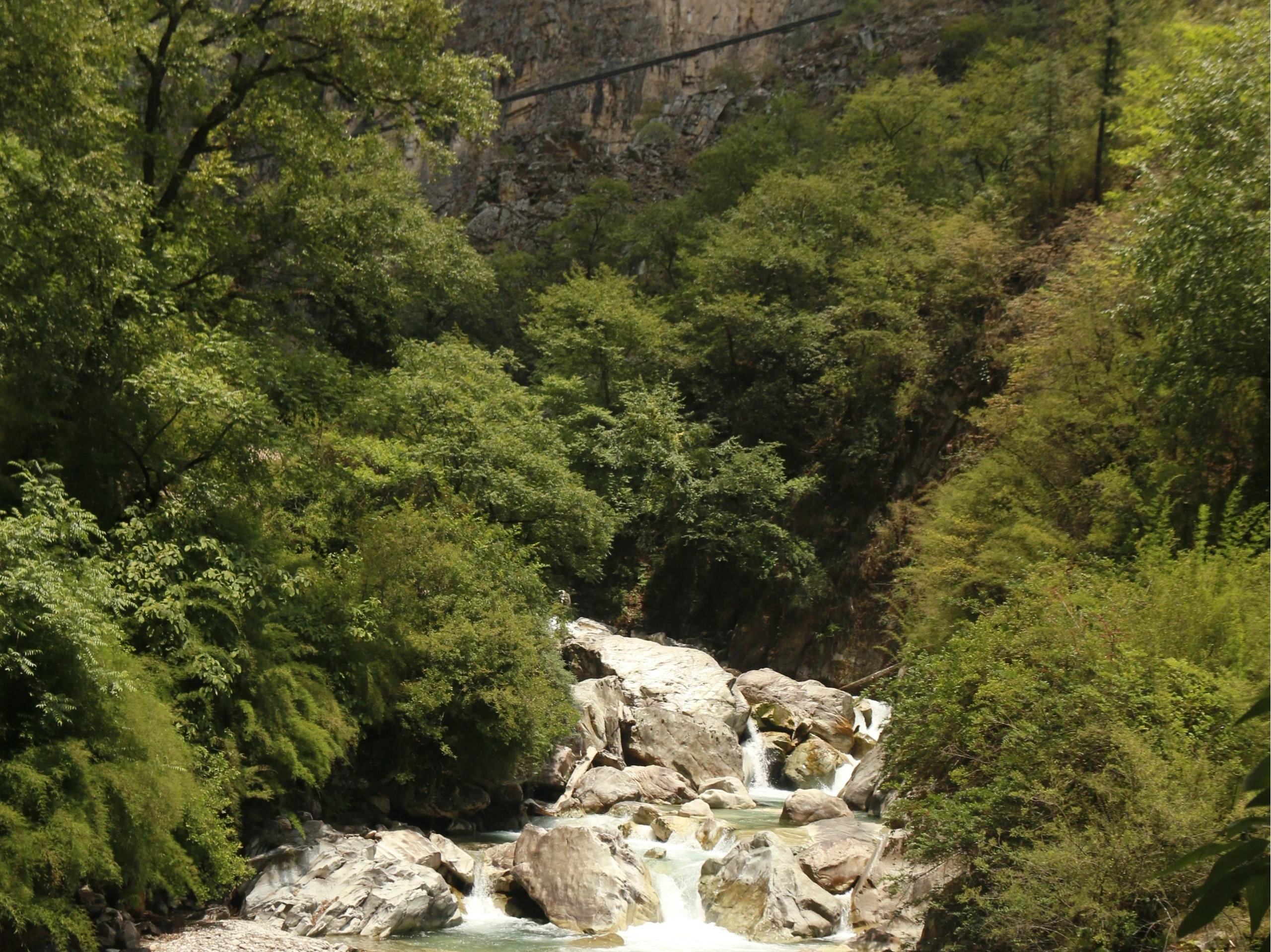
Before the honey is ever touched, it begins with a journey that feels almost like leaving the world behind. In the high hills of Nepal, a small group of harvesters set out each spring after traditional village rituals, carrying ropes, bamboo tools, and years of inherited knowledge. Their path cuts through forests, rivers, and steep valleys until it reaches the sheer Himalayan cliffs where wild giant bees build their homes. For the months that follow, life shifts entirely to the rock face above - a place where courage, tradition, and survival quietly share the same space.
What is Mad Honey
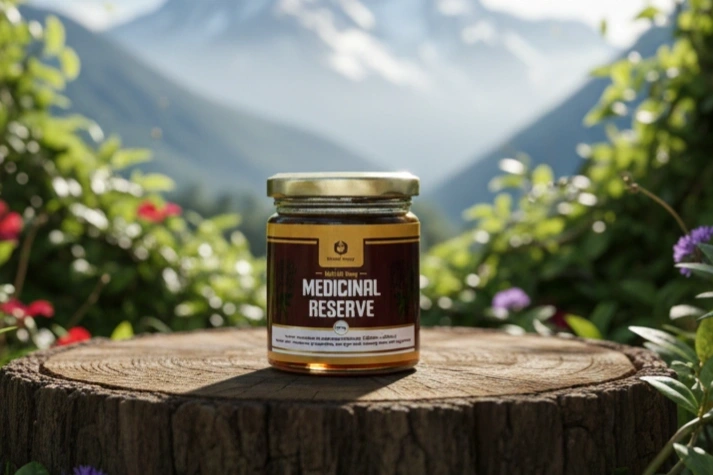
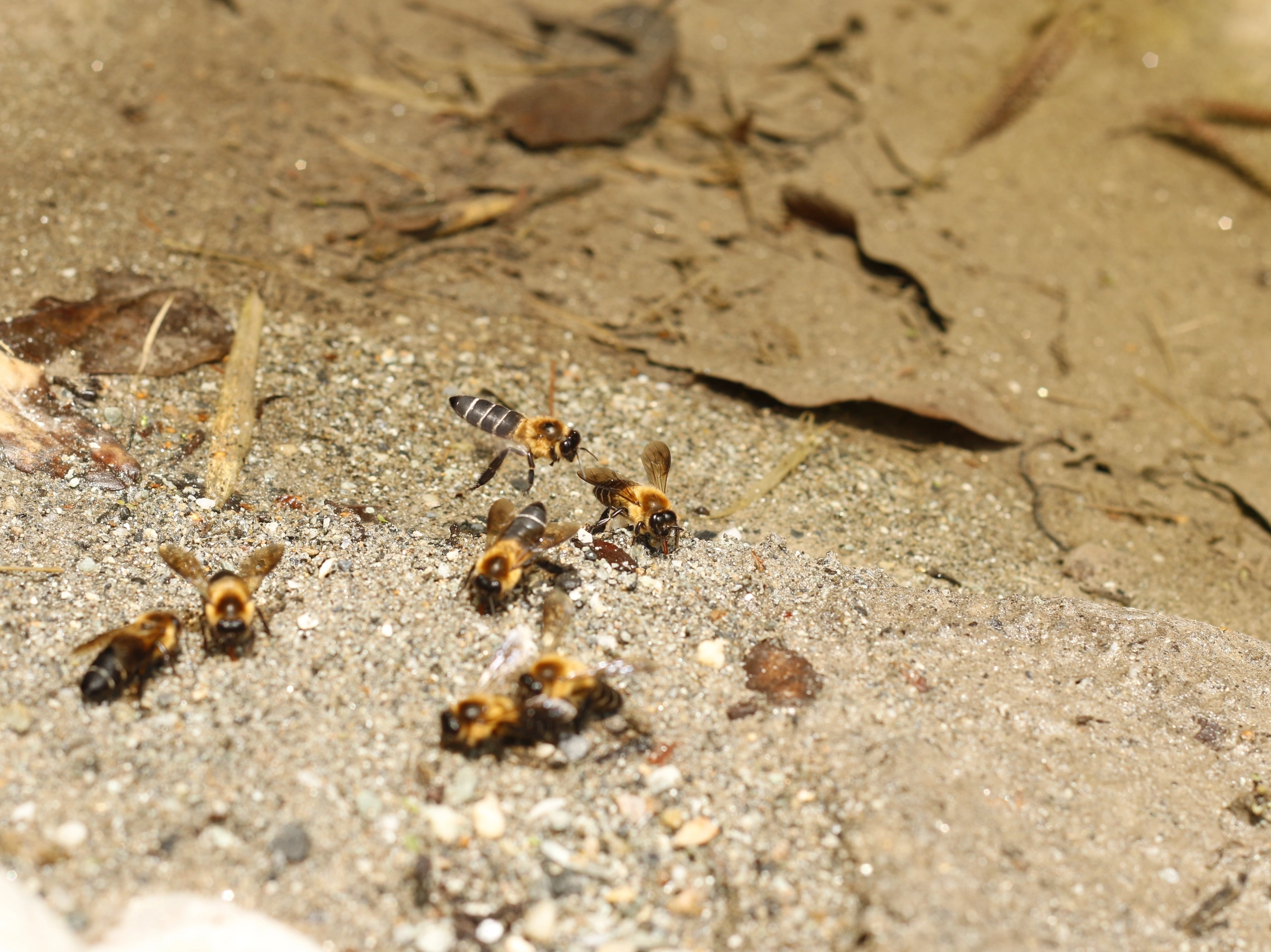
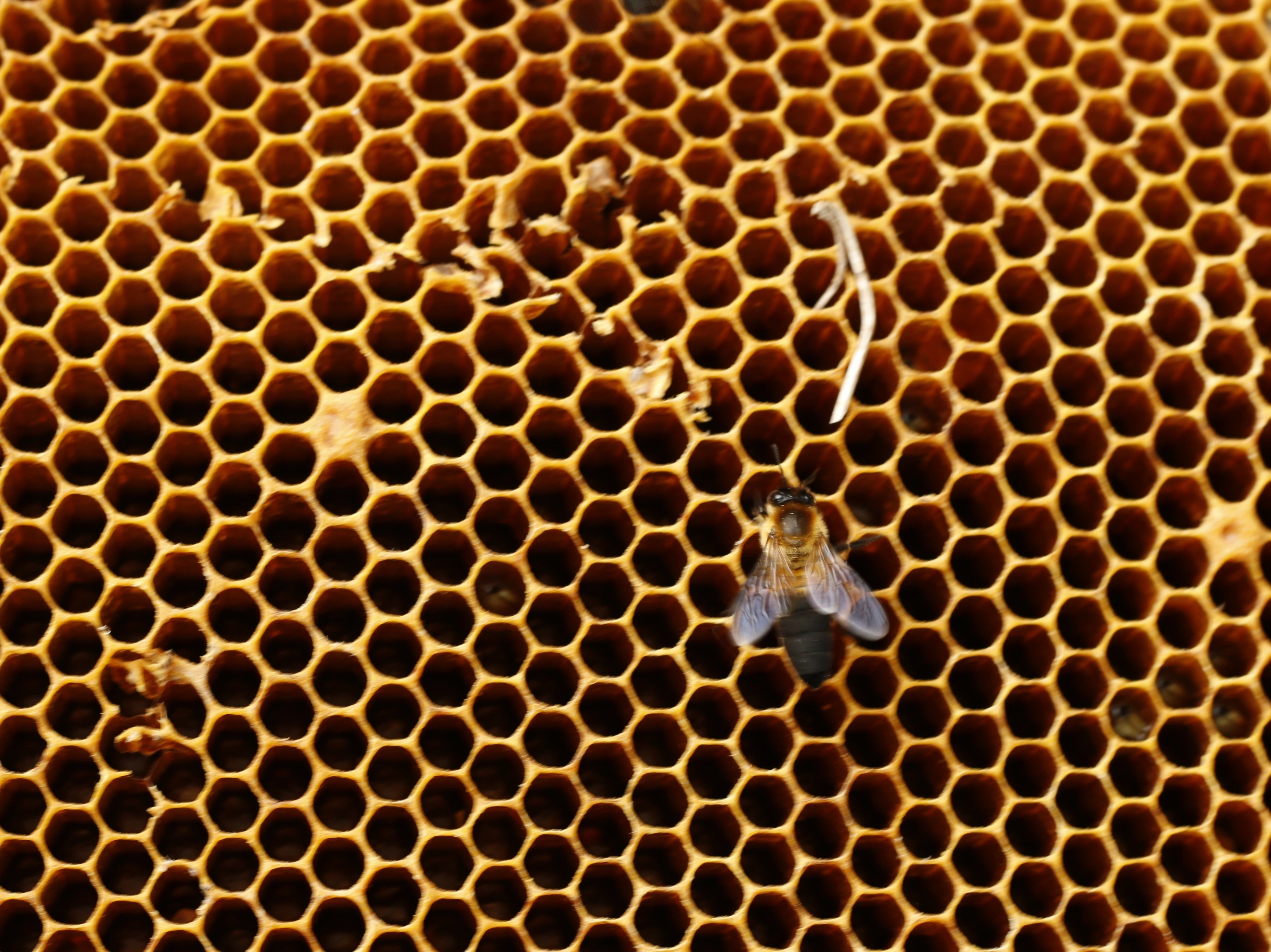
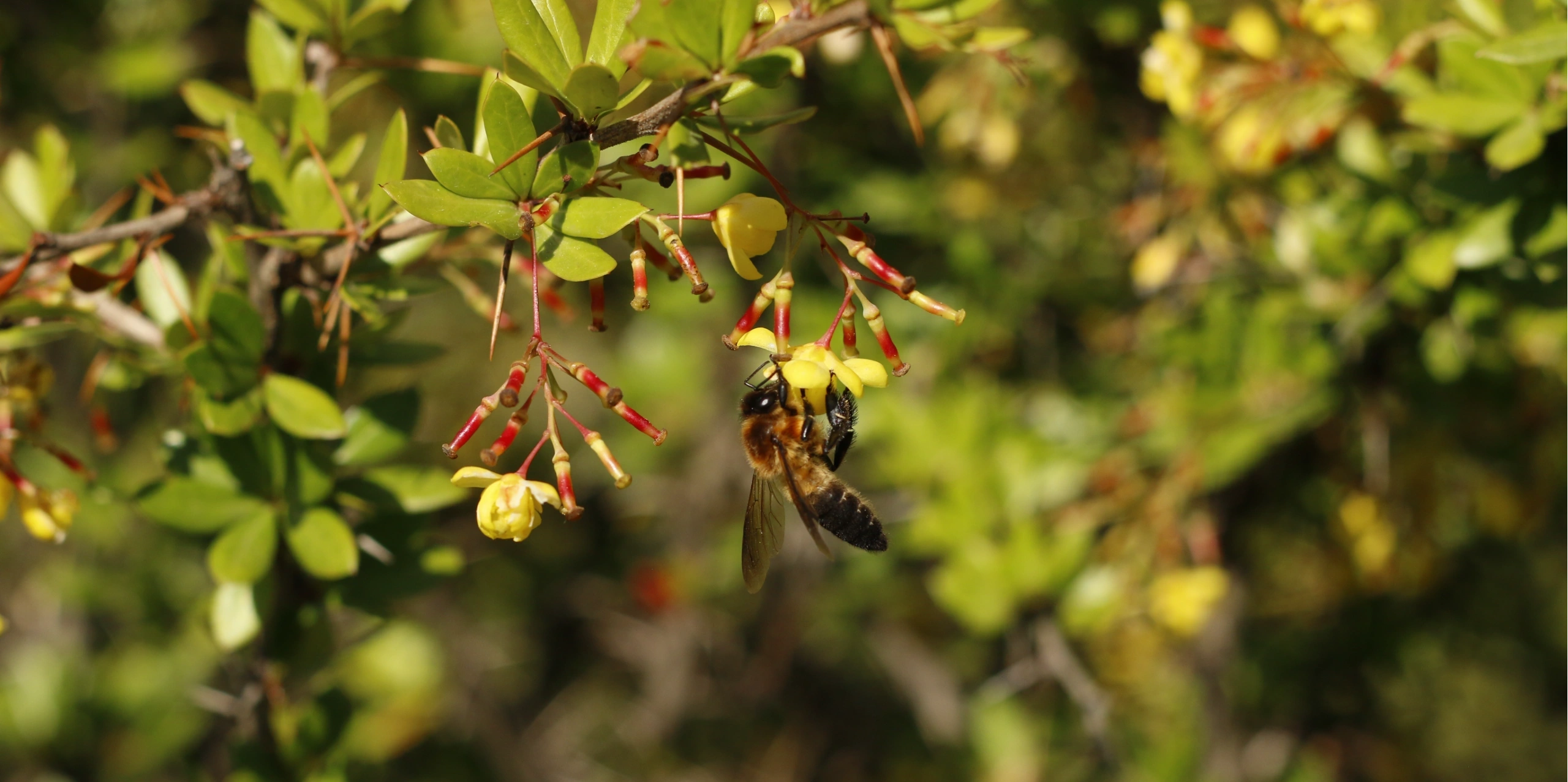
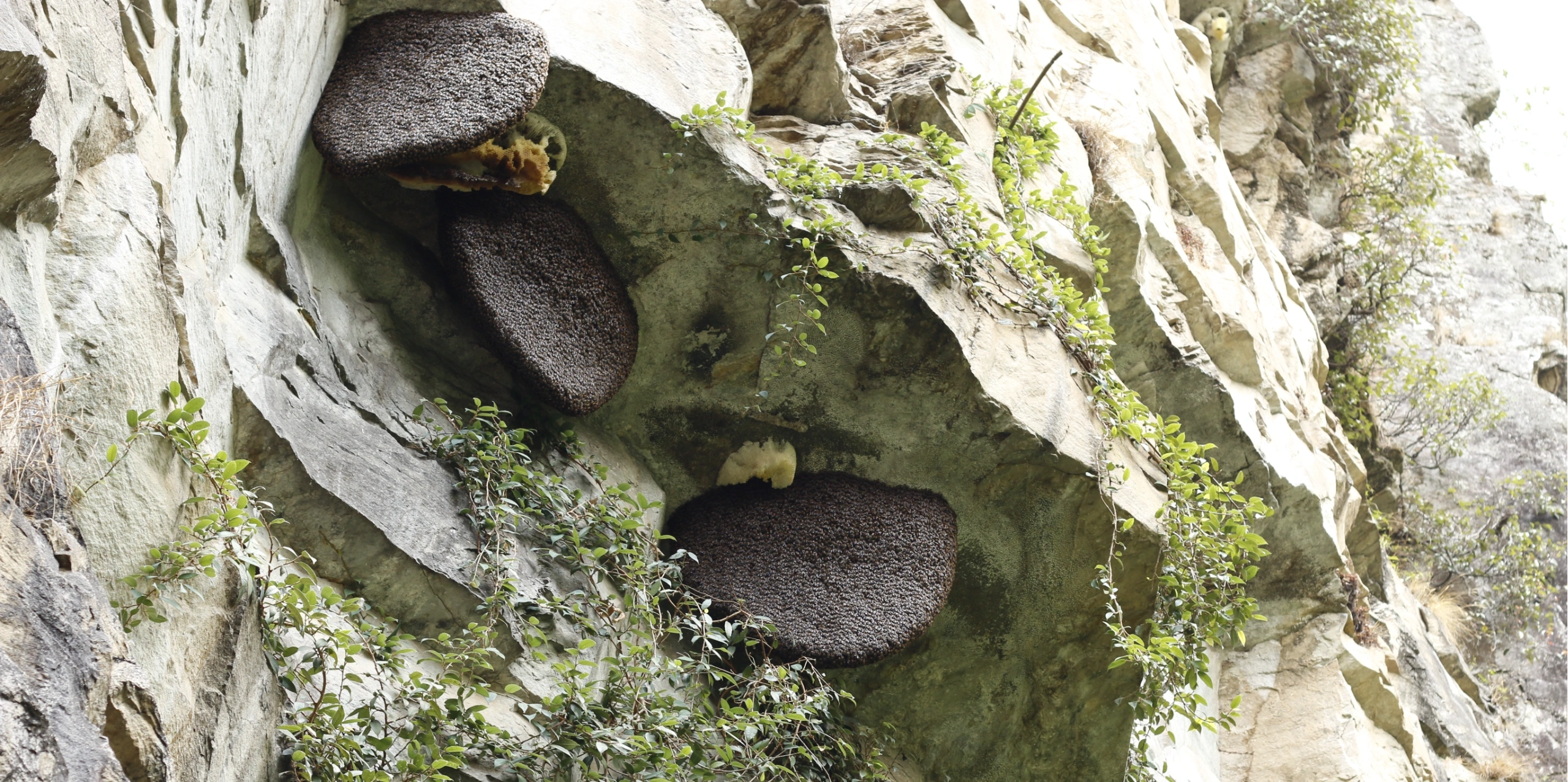
Mad honey is a rare, naturally occurring honey produced by wild Himalayan giant bees (Apis laboriosa). It is known for its distinct deep amber color and its naturally occurring compounds derived from the nectar of certain rhododendron flowers found in the high mountains. Unlike commercial honey, mad honey is not created in managed farms or controlled environments. It exists only where nature allows it - untouched, seasonal, and unpredictable. For centuries, it has been collected in small quantities by Himalayan communities who understand both its value and its limits.
Where it grows ?
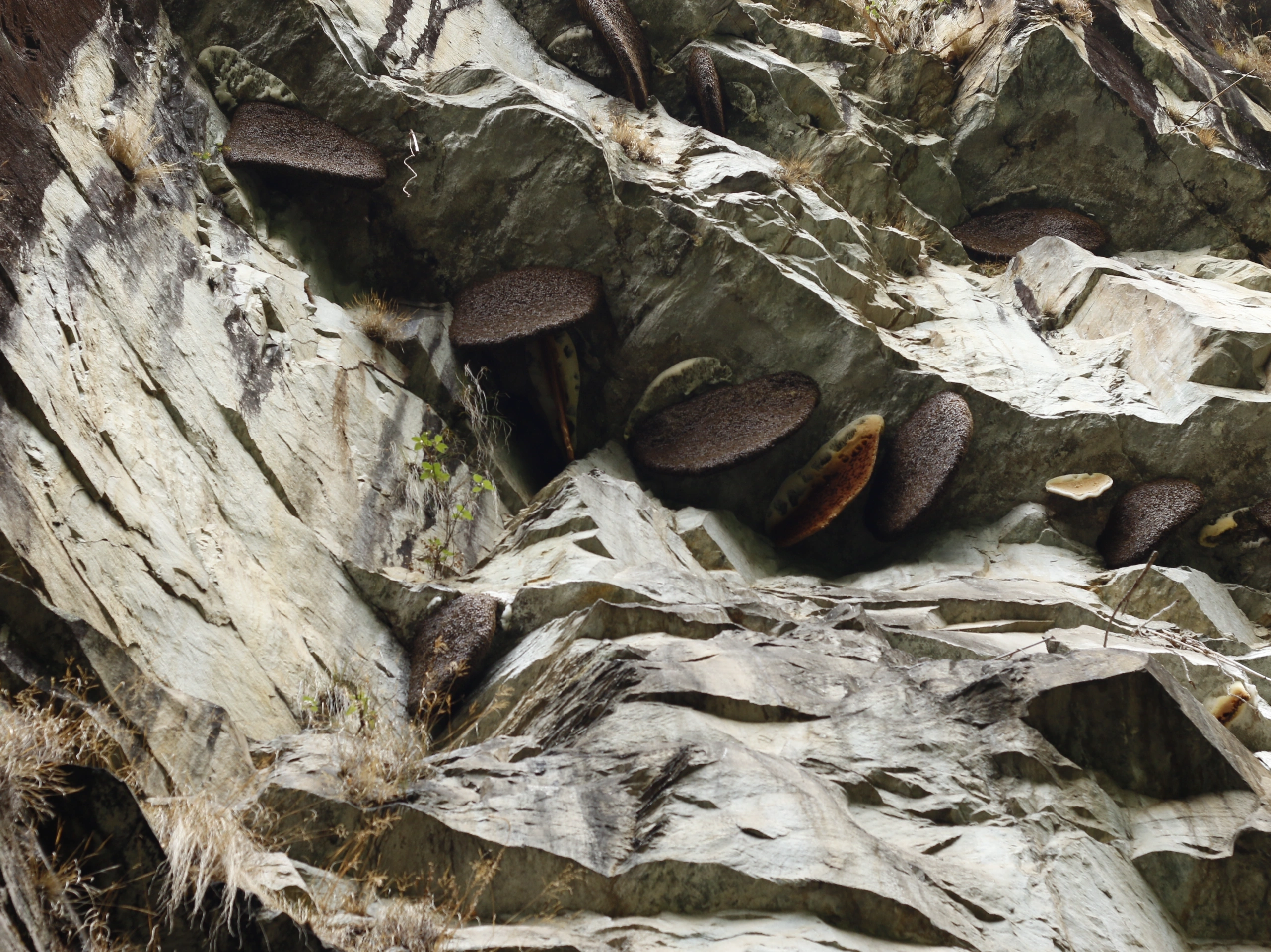
Mad honey is found in the high-altitude regions of Nepal, typically between 2,500 to 4,000 meters above sea level, deep within the cliffs and forested slopes of the Himalayas. Our honey harvest altitude ranges from 2200m to up to 4000m. These regions are: Remote and difficult to access Covered with wild rhododendron forests in blooming seasons Home to giant cliff-dwelling honeybee colonies The combination of altitude, climate, and rare floral biodiversity is what makes this honey possible - and nowhere else in the world can replicate it naturally.
-2331.webp)
Why it cannot be farmed ?
Mad honey cannot be farmed because it depends on a very specific wild ecosystem that cannot be controlled or replicated. Mad honey is not cultivated. It is encountered. Template: IMAGE GRID WITH LABELS Produced by Apis Labriosa Harvest altitude (2200m to 4000m) Traditionally harvested Pure, organic, untouched.
The Call of the Cliffs
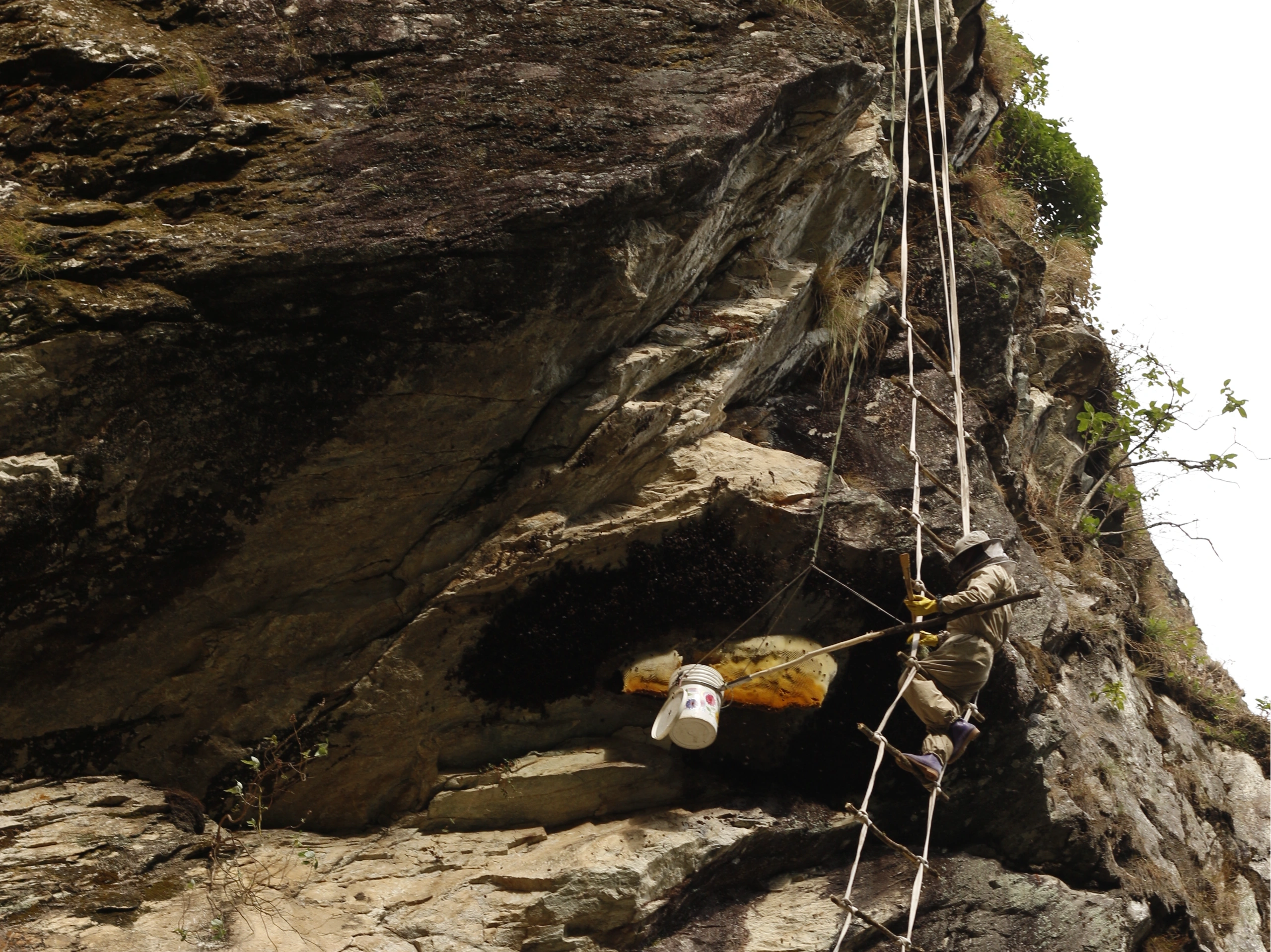
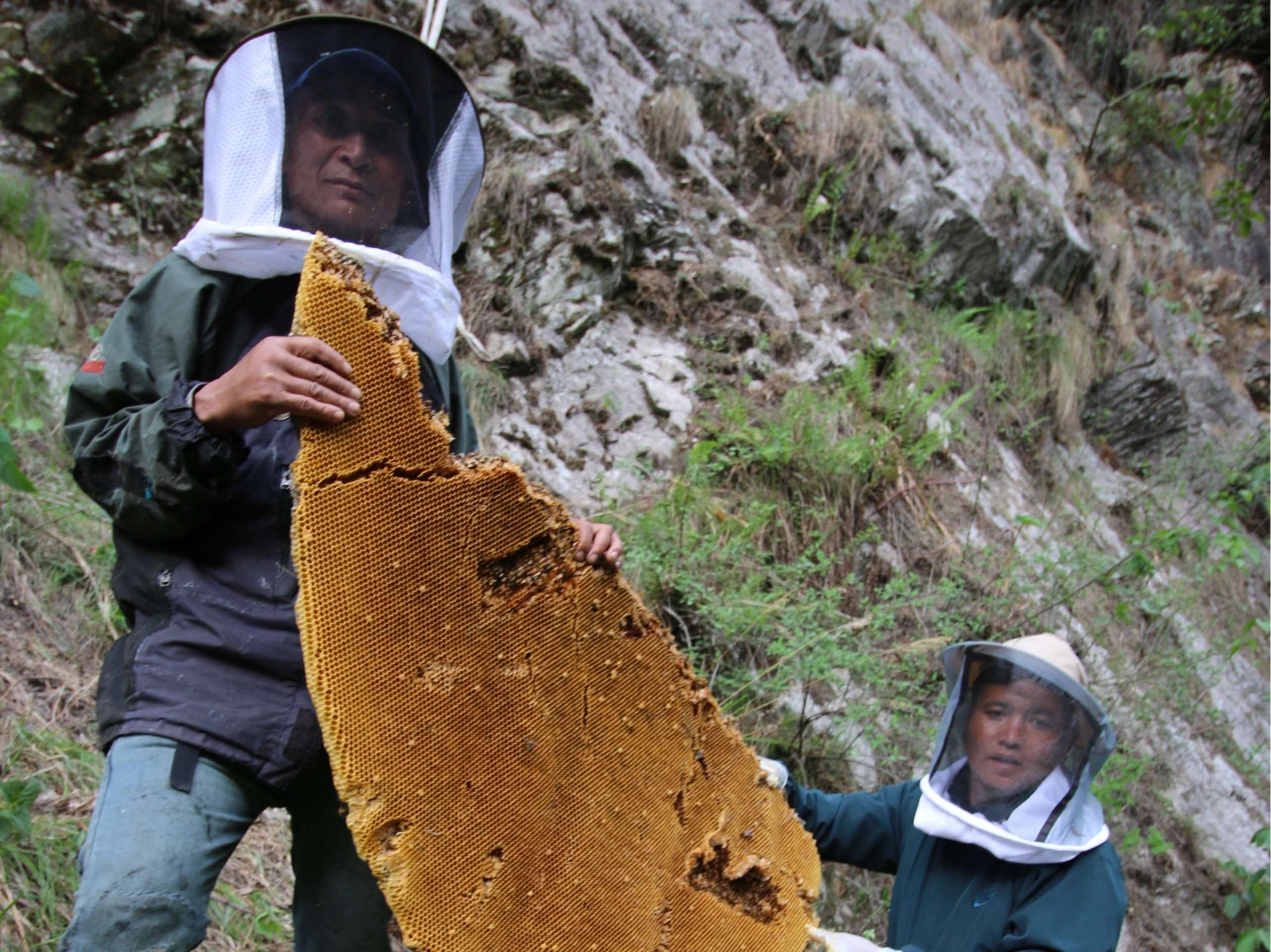
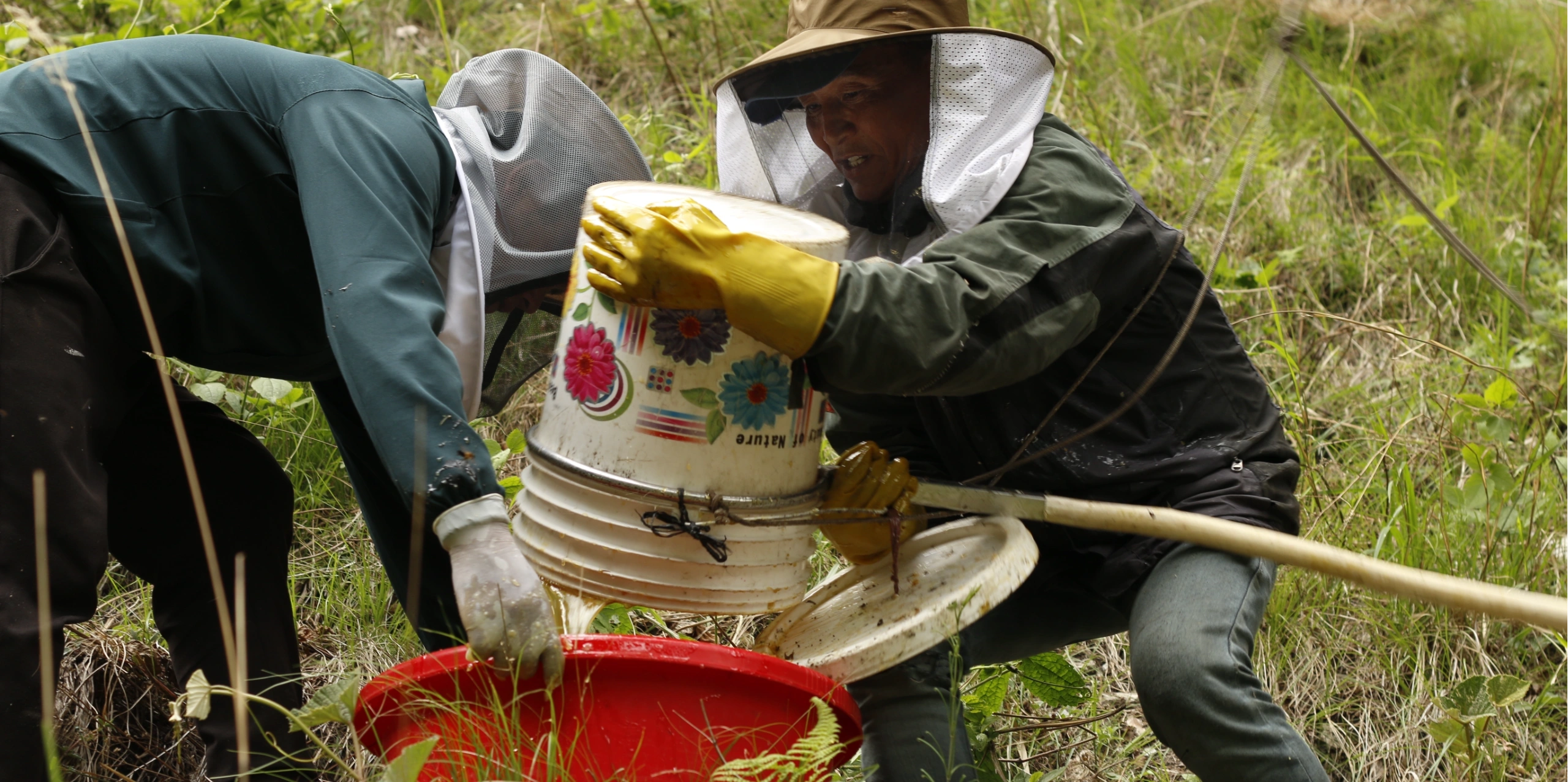
Every spring, when the second week of Baishakh arrives, five men leave behind their homes, families, and daily lives to answer the call of Nepal’s cliffs. Raj Bahadur Kumar, Kale Pun, Dharmajit Pun, Ay Tamang Kami, and Maila Kami have spent the last ten years harvesting Nepal’s rare and legendary mad honey. For months, until Shrawan, they live among towering cliffs that rise more than 150 feet above the ground. One harvester descends the vertical rock face using traditional ropes, while two men below collect the falling honeycombs and two others remain above to guide the operation. Every step demands courage. The ropes are simple, the terrain is steep and slippery, and a single mistake can mean serious injury—or worse. Some harvests take so long that the climber cannot return before nightfall. Instead, he ties himself securely to the cliff and spends the night in small caves and crevices carved into the rock, suspended high above the ground. Far below, his teammates wait, hoping for a safe return.
More Than a Harvest
Yet despite the danger, there is no guarantee of reward. Climate change, changing weather patterns, and shrinking bee populations can leave the harvest small. After days of risking their lives, the men may return with little honey and modest earnings. Meanwhile, their wives, children, and elderly family members wait anxiously at home, uncertain when they will return.
When the honey season ends, these men return to farming and animal husbandry, continuing the simple livelihoods that sustain their communities. But each year, they return to the cliffs once again—not because it is easy, but because it is a tradition, a responsibility, and a testament to their resilience.
Their story is more than the story of honey. It is a story of courage, sacrifice, and the enduring spirit of Nepal’s mountain communities—people who risk everything to preserve a tradition passed down through generations.
The Sacred Process
Before their journey begins, the harvesters gather in their village to perform traditional pujas and rituals. They seek blessings from their gods and ancestors, praying for safety, strength, and a successful harvest. An auspicious date is carefully chosen for their departure, marking the beginning of a journey that will keep them away from home for months.
The Journey to the Cliffs
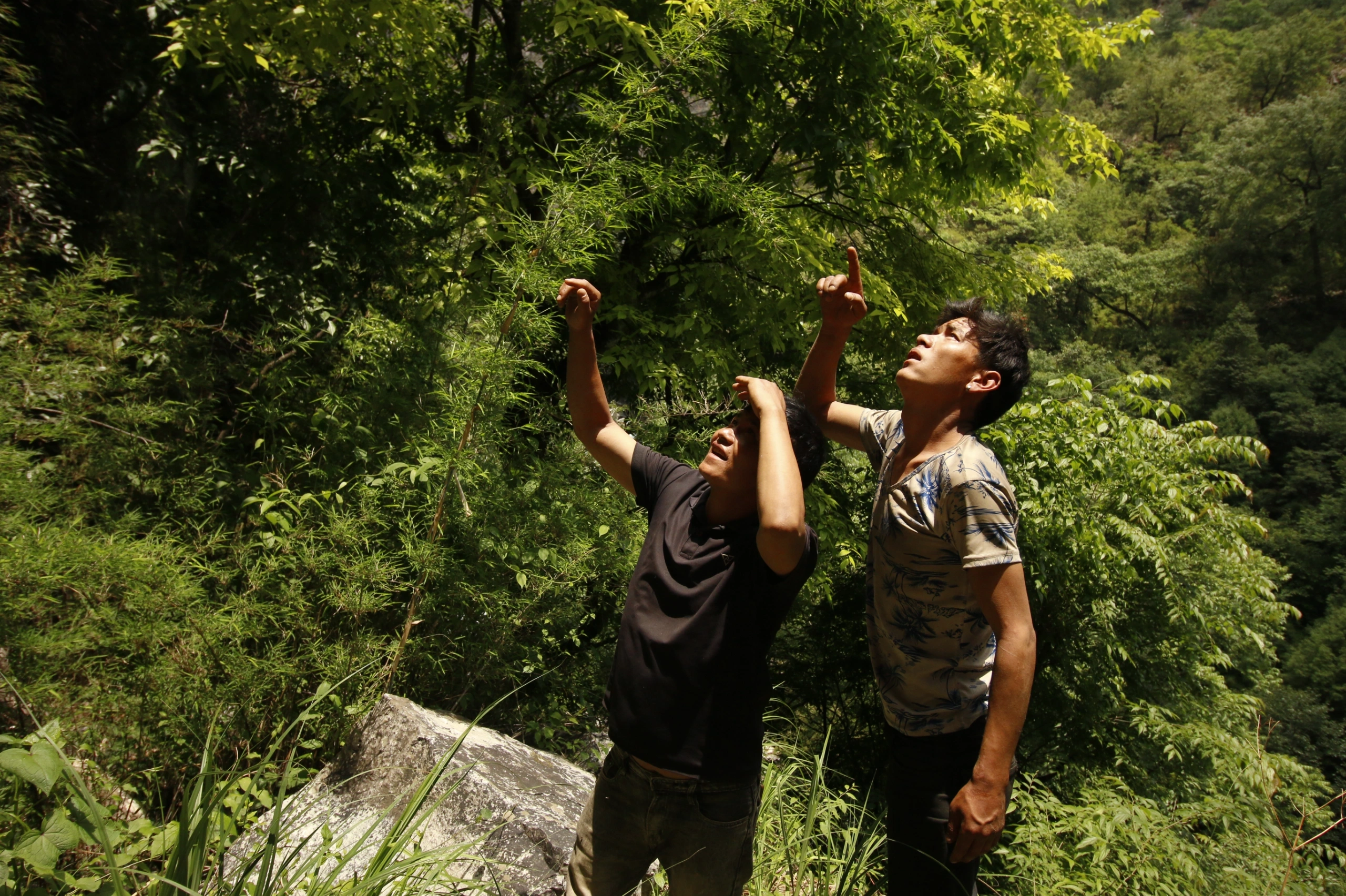
Carrying ropes, bamboo, food supplies, and essential equipment on their backs, the harvesters travel deep into the mountains. Their path winds through remote villages, dense forests, rushing rivers, and steep valleys. With few roads or proper trails, reaching the cliffs is a challenge in itself.
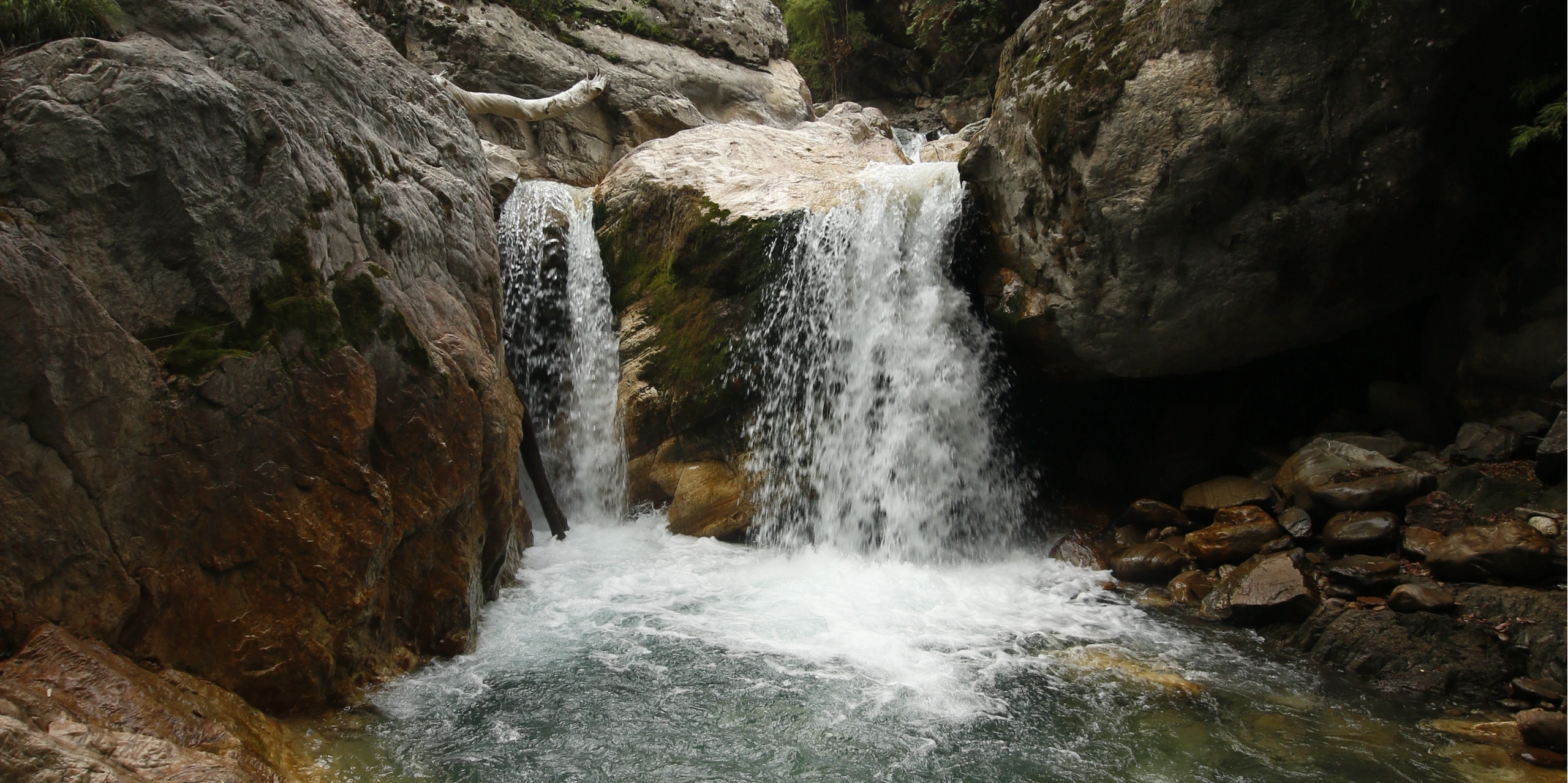
To cross rivers and waterfalls, they often cut bamboo and fallen trees to build makeshift bridges and ladders, relying on generations of knowledge passed down through their communities. At elevations of nearly 2,400 meters above sea level, they begin searching for signs of the Himalayan giant honey bee. By observing the size, color, and flight patterns of the bees, they locate colonies hidden along towering cliff faces.
The Harvest Begins
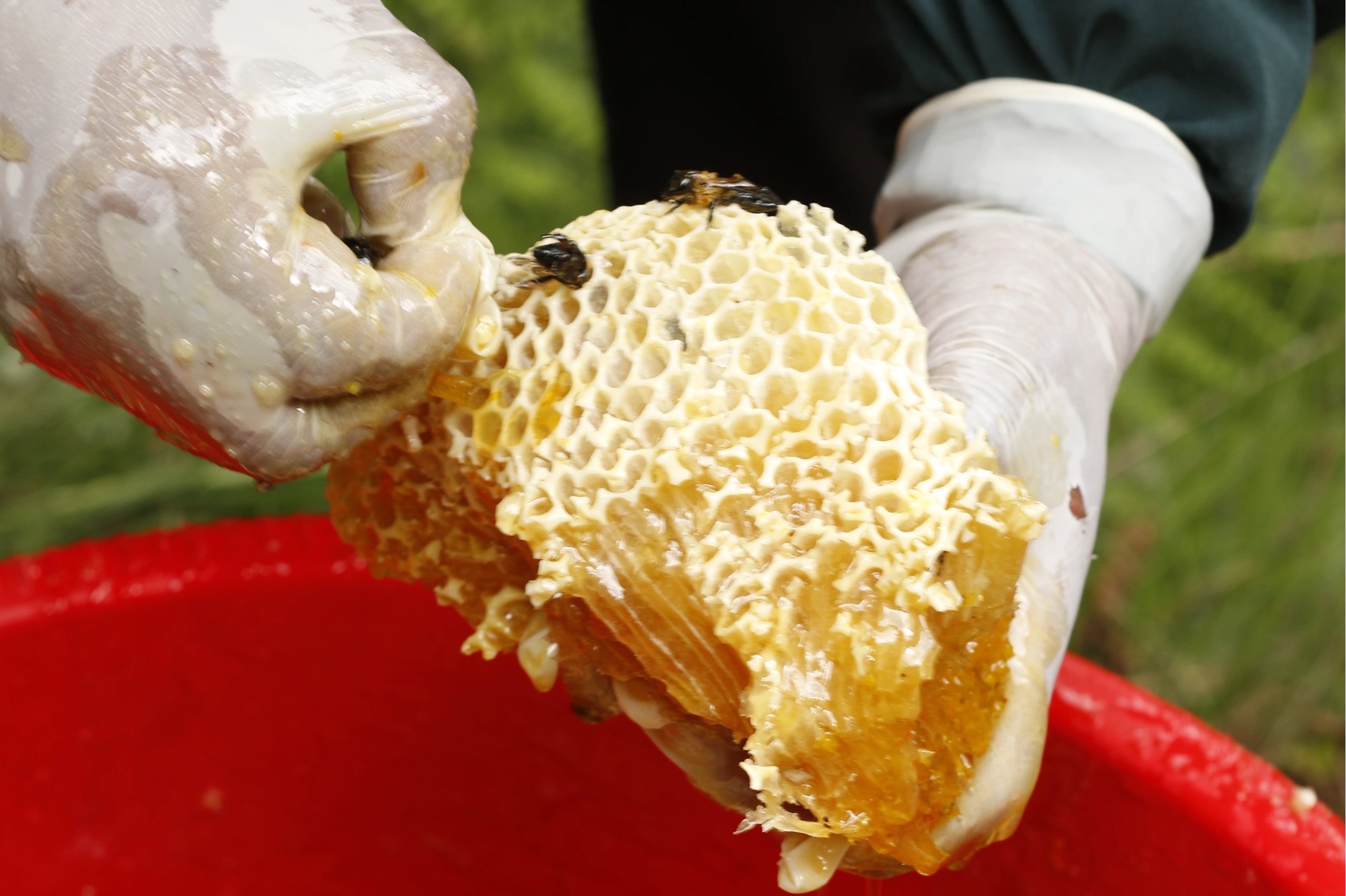
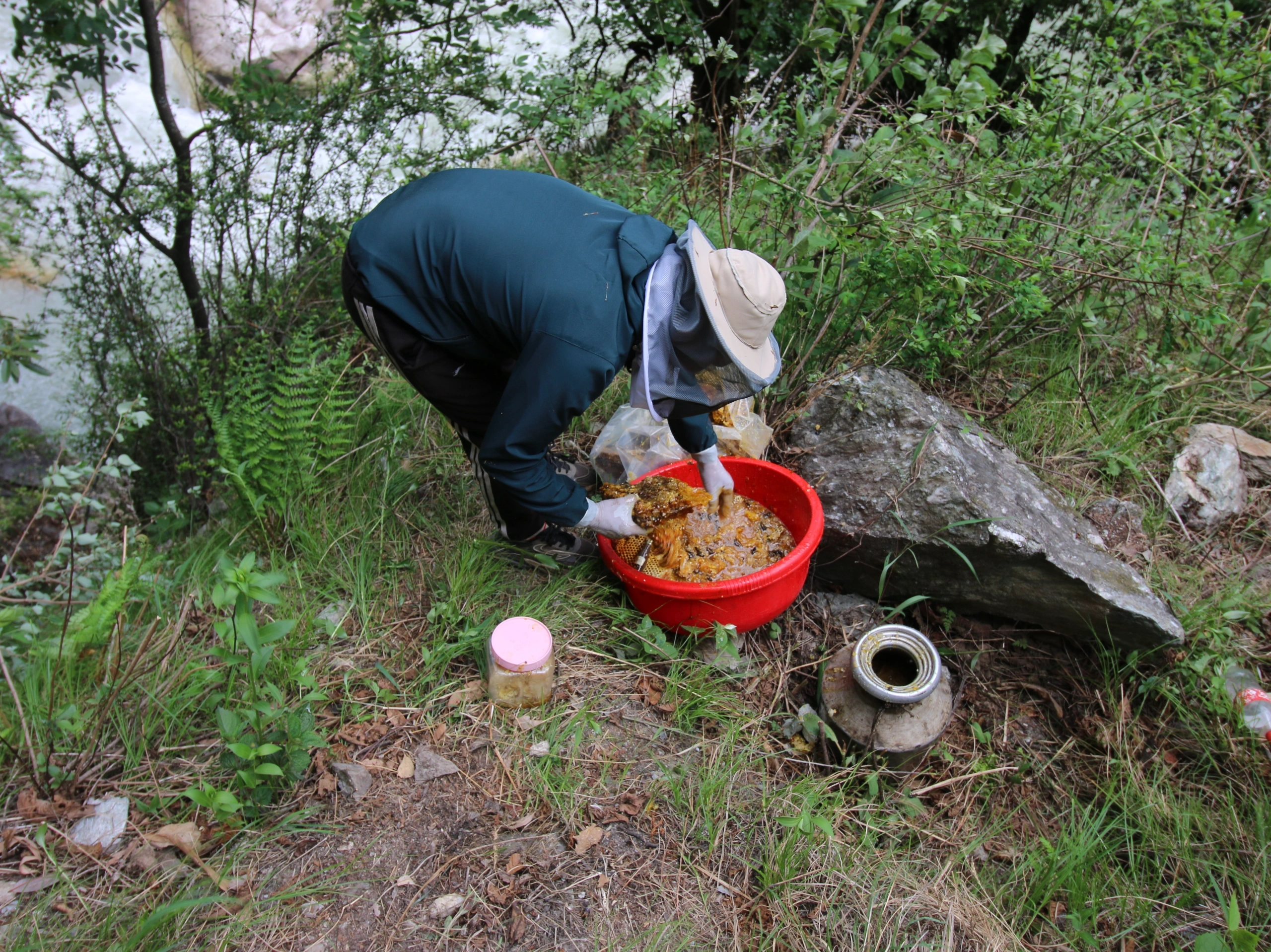
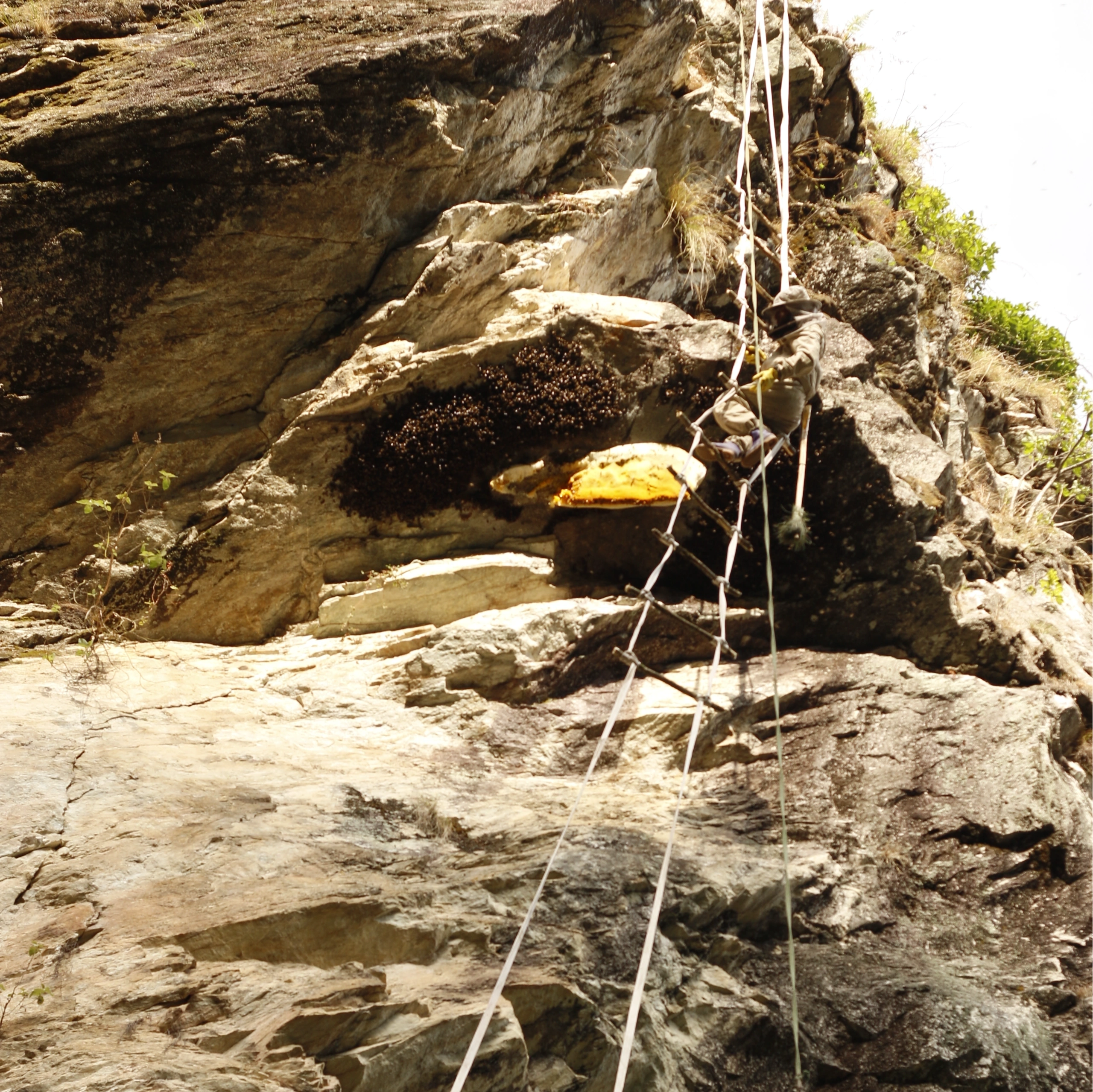
Once a colony is found, the team carefully prepares for the harvest. The climber descends the vertical cliff using traditional rope ladders, suspended hundreds of feet above the ground. Instead of smoke, the harvesters use long bamboo poles topped with grasses and leaves to gently guide the bees away from the honeycomb. Working with patience and precision, the climber cuts the combs free, allowing them to fall to the team waiting below. Every harvest is a remarkable display of teamwork, trust, and courage. When the final honeycomb has been collected and the climber safely returns to the top, the honey begins its journey from Nepal’s remote cliffs to Kathmandu. Behind every jar lies months of preparation, ancient traditions, and the extraordinary efforts of men who risk their lives to preserve one of Nepal’s most remarkable cultural practices.
Yet despite the danger, there is no guarantee of reward. Climate change, changing weather patterns, and shrinking bee populations can leave the harvest small. After days of risking their lives, the men may return with little honey and modest earnings. Meanwhile, their wives, children, and elderly family members wait anxiously at home, uncertain when they will return.
When the honey season ends, these men return to farming and animal husbandry, continuing the simple livelihoods that sustain their communities. But each year, they return to the cliffs once again—not because it is easy, but because it is a tradition, a responsibility, and a testament to their resilience.
Their story is more than the story of honey. It is the story of courage, sacrifice, and the enduring spirit of Nepal’s mountain communities—people who risk everything to preserve a tradition passed down through generations
THE RITUAL OF HARVEST
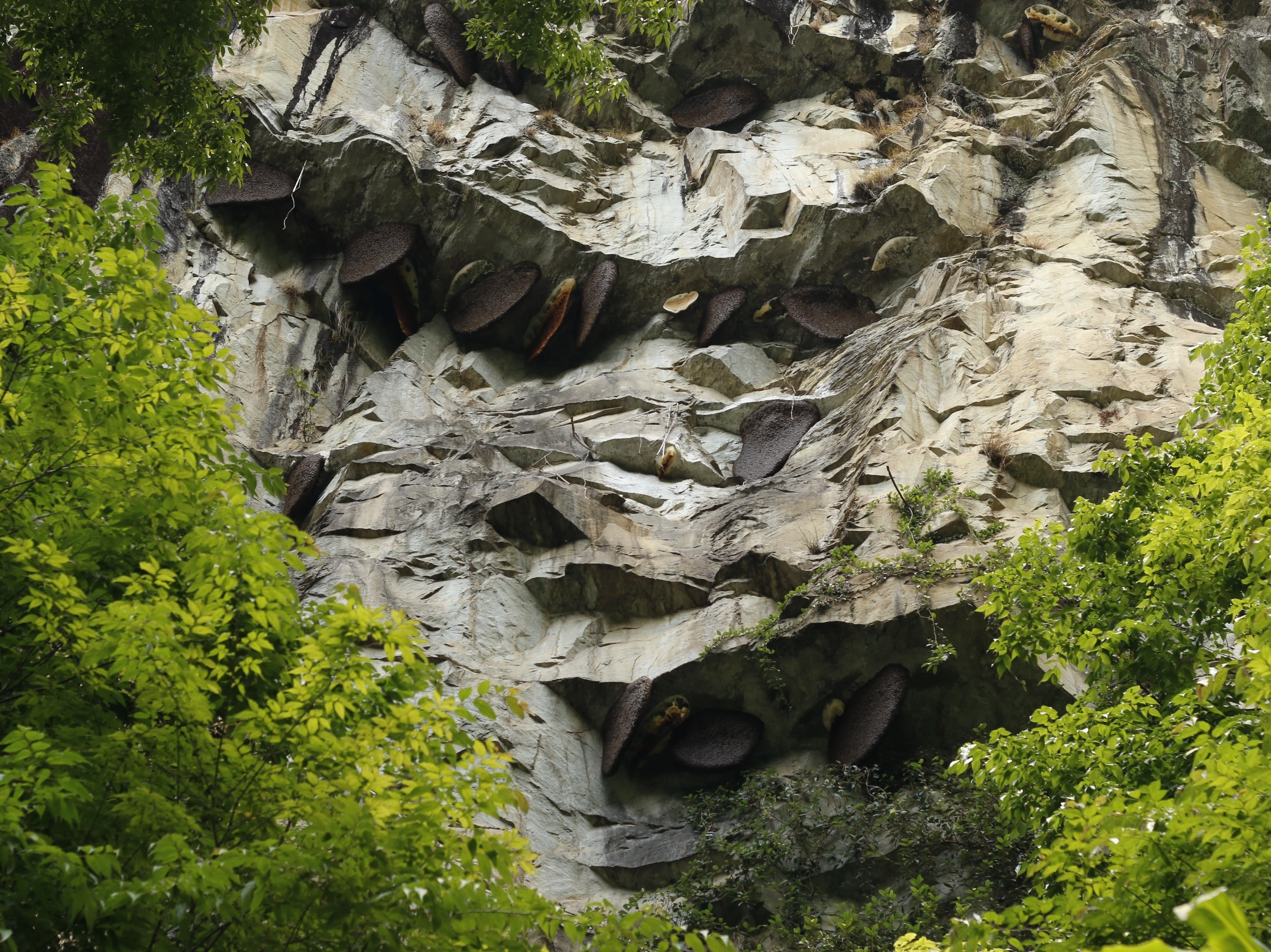
Smoke is the first language spoken to the bees. It is not used to force, but to soften. To signal presence. To turn chaos into calm. The cliffs hold ancient hives, built by wild Himalayan bees who choose impossible homes — vertical rock faces where few dare to stand, let alone stay.
WHY THEY STILL RETURN ?
-8862.webp)
They call it season.
Every year, they return to the same cliffs not because they must — but because this is what they know.
It is work, yes.
But it is also identity.
Something passed down not through instruction, but through watching, following, and eventually becoming.
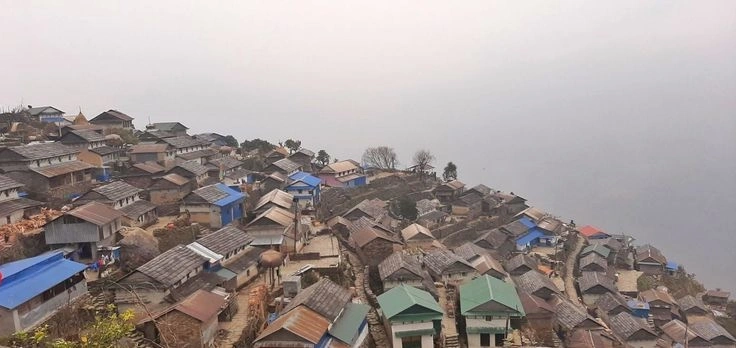
In the villages below, life continues in parallel. Children grow up watching ropes coil and baskets return. Elders speak less about risk, and more about rhythm. Because here, survival is not dramatic. It is cyclical.
Hand handling
No industrial processing
Small batch nature
Why It Makes You “Go Mad”
The rhododendron nectar contains grayanotoxins — natural compounds that affect the nervous system. When you consume this honey, grayanotoxins bind to sodium channels in your body’s nerve cells. That changes how nerve signals fire, especially in the heart and brain. The Biological Effects: Depending on the amount and your body chemistry, this can lead to: mild dizziness warmth and tingling altered senses a euphoric, head-rush feeling lowered blood pressure slow heartbeat (in stronger doses) It’s not a drug in the street sense, but biologically it interacts with cells in a way that makes the experience viscerally different from regular honey. That’s where the name “mad honey” comes from — people historically reported sensations so unusual that ancient warriors used it before battle, and travelers told tales as wild as the mountains themselves.
Why It’s Rare, Why It’s Loved
Mad honey isn’t for every shelf. It’s:
season-specific
location-exclusive
labor-intensive to harvest
chemically unique
That’s exactly why connoisseurs, collectors, and curious explorers seek it out. This is nature’s one-of-a-kind potion, hand-gathered by humans who devote their lives to mastering the impossible.
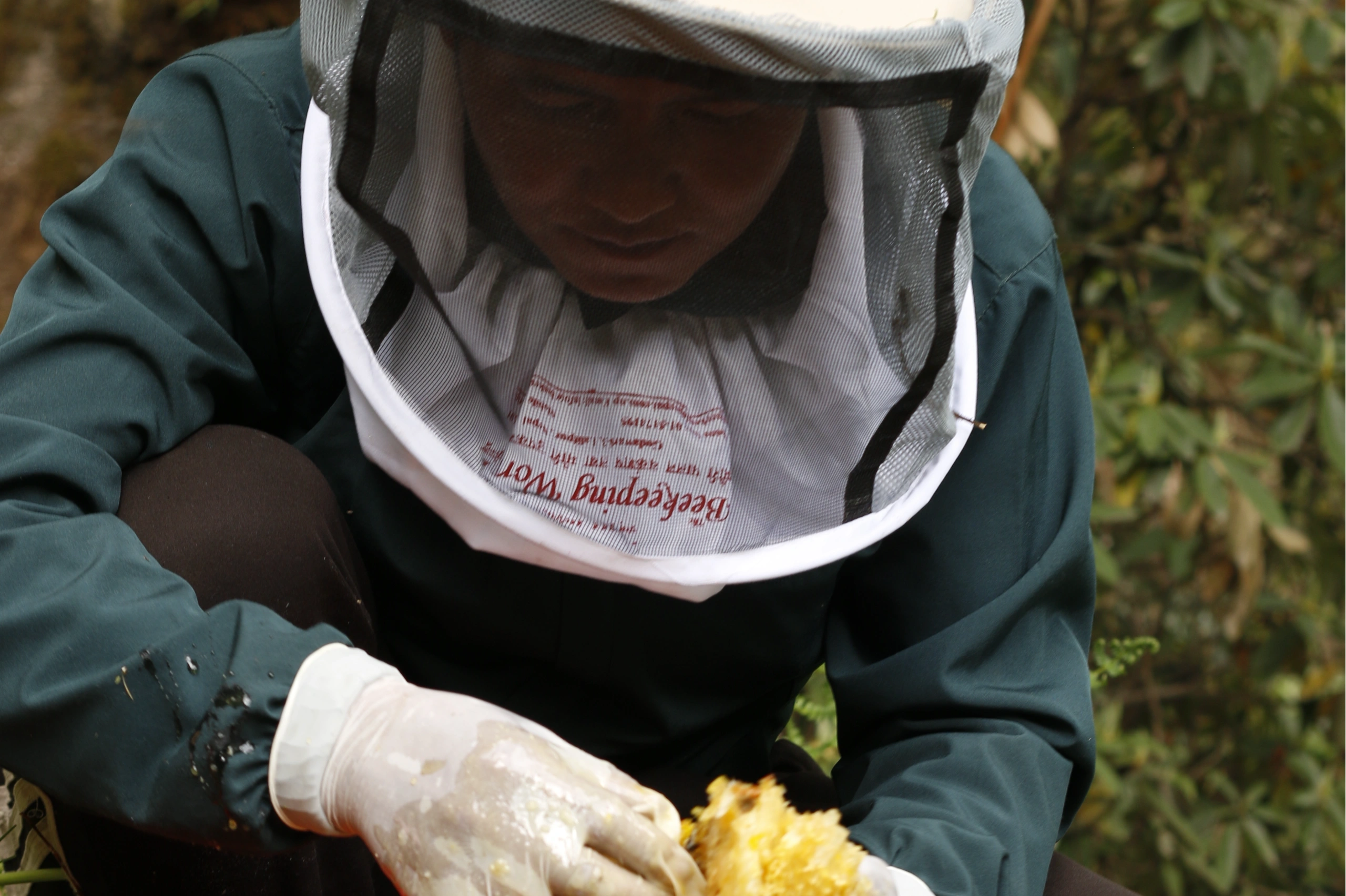
Thank you for supporting local Nepali farmers and their communities.
Every purchase helps provide fair pay to harvesters, supports sustainable and ethical harvesting practices, respects the natural bee cycle, strengthens local livelihoods, and preserves the traditions of sourcing wild honey from the Himalayas.