Our Story, Rooted in the Himalayas
Every honey has an origin. Every origin has a story.
See all
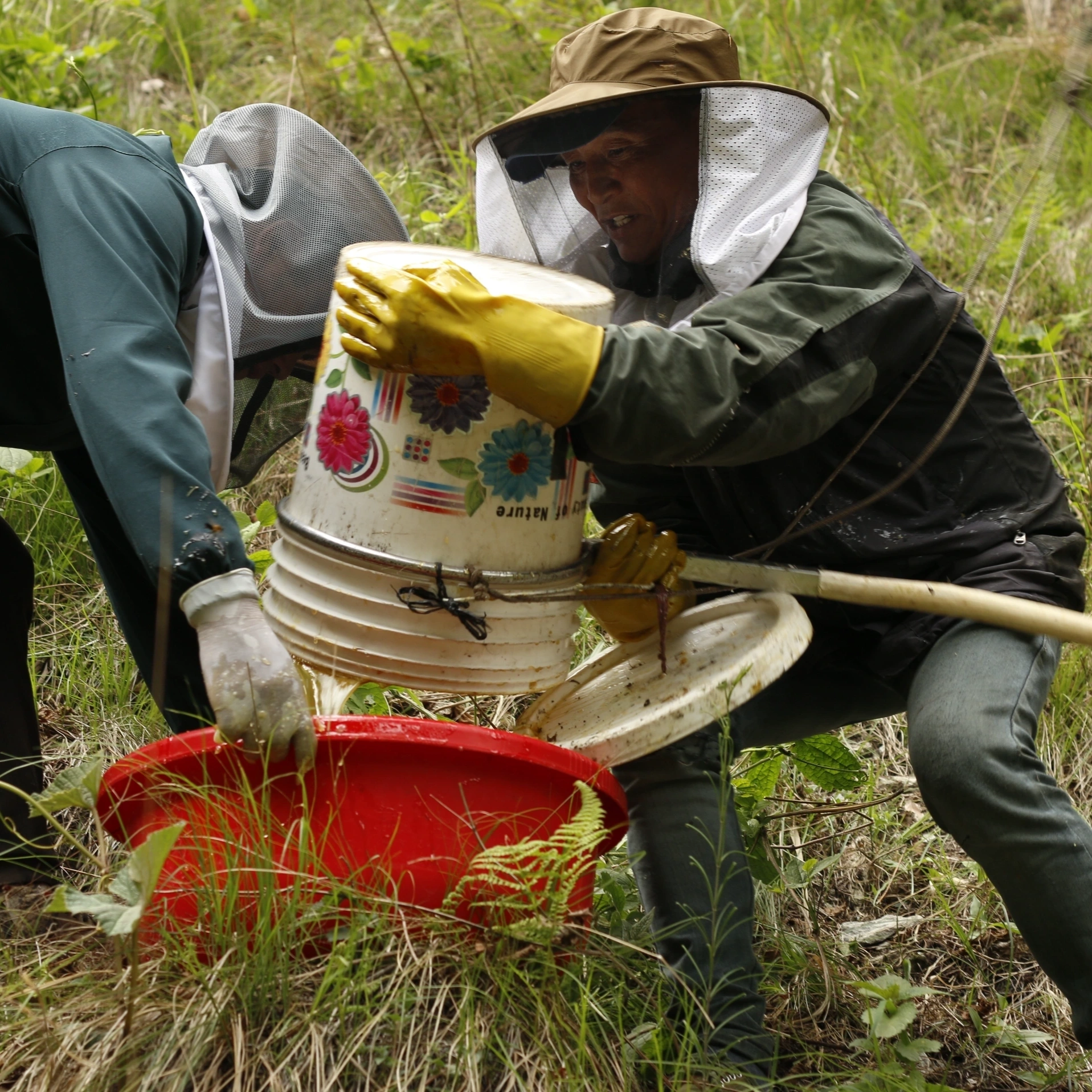
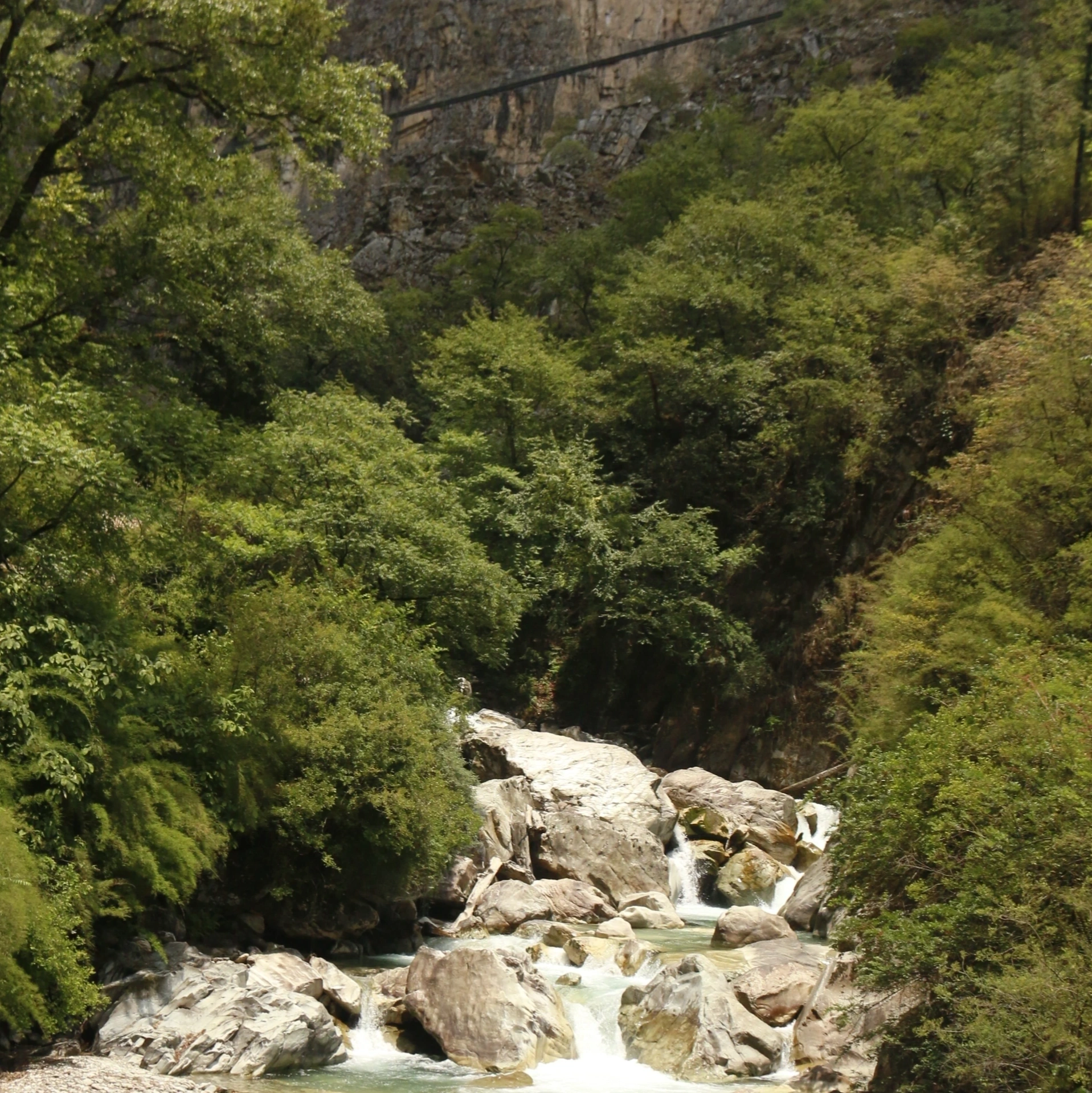
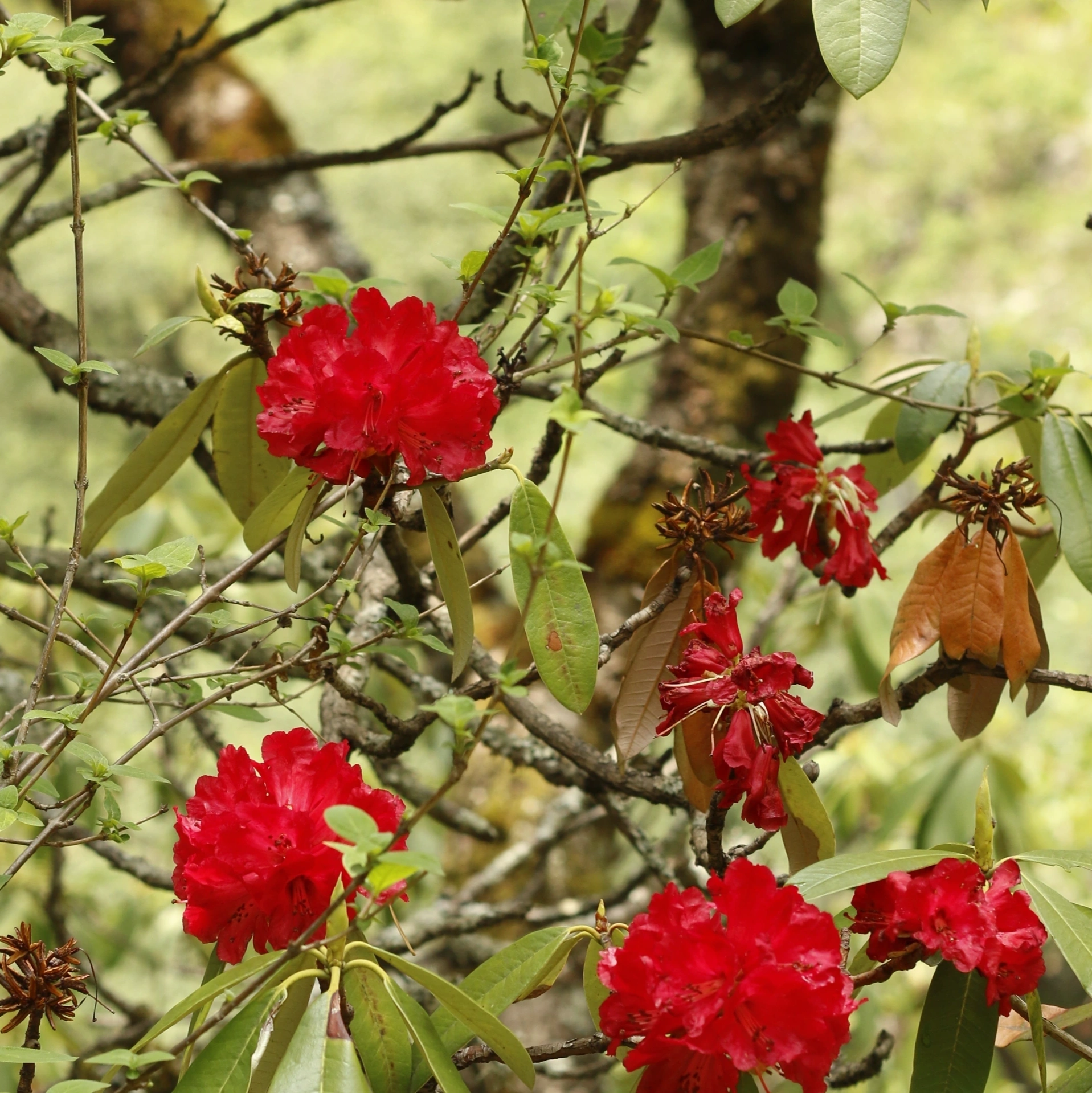
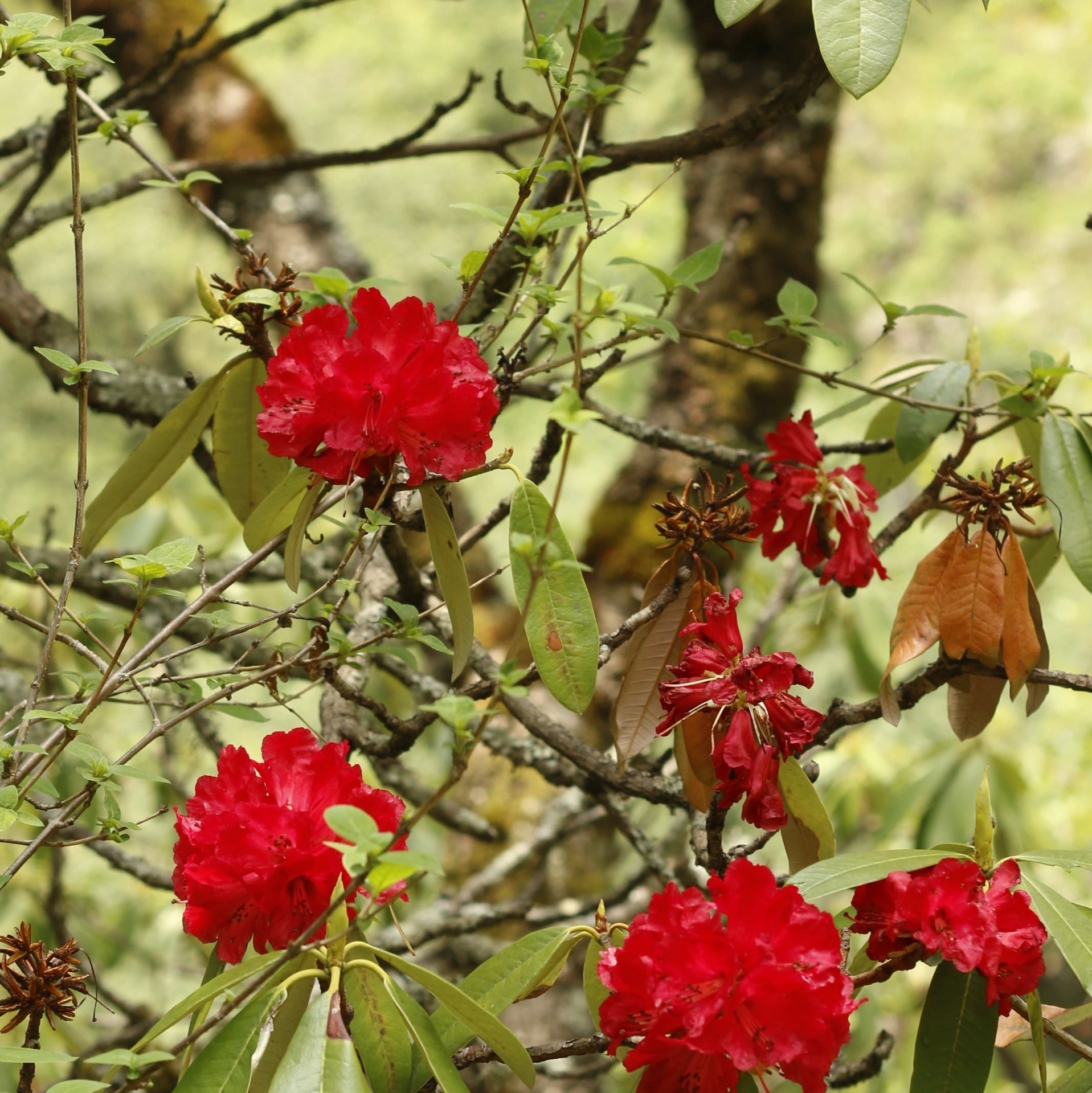

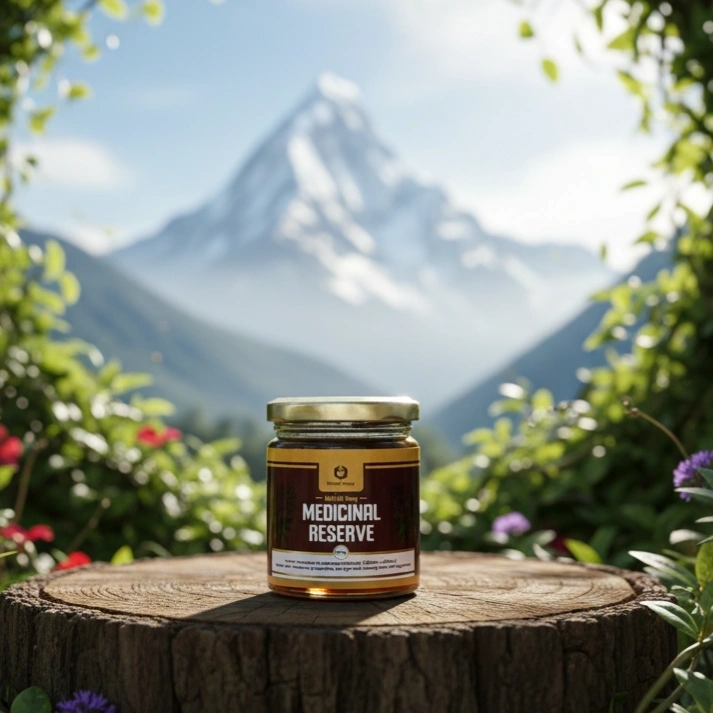
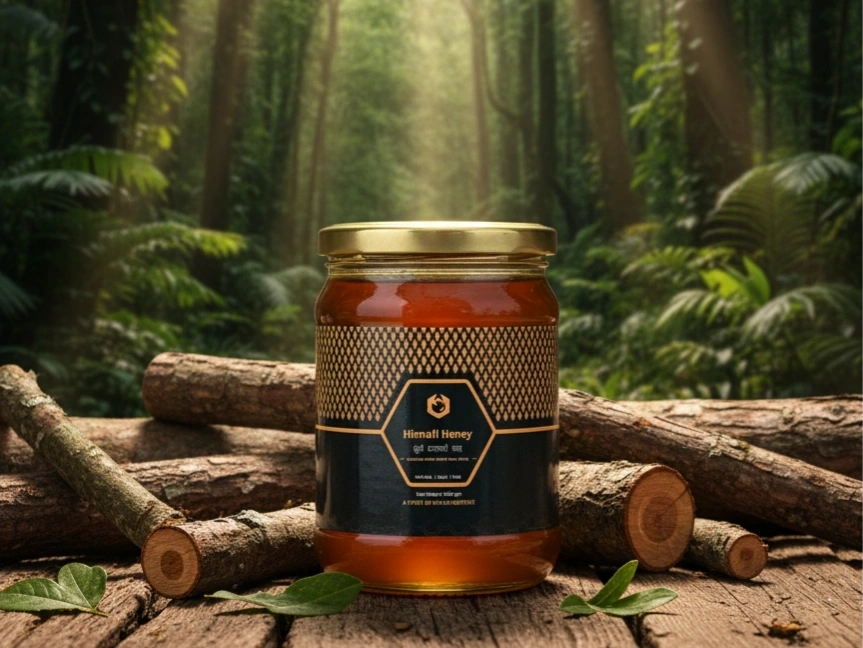
At Himali Honey, we believe that great honey begins with nature and the people who understand it best.
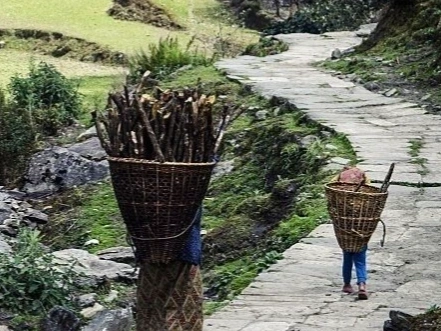
We work directly with local farmers, beekeepers, and honey harvesters across Nepal, building connections with the communities behind every harvest.
Each region has its own unique landscape, flowering plants, climate, and bee species. These natural differences shape the taste, colour, aroma, and texture of every honey variety, making each harvest distinct.
Our mission is to bring authentic Himalayan honey directly to our customers while celebrating local traditions, supporting mountain communities, and preserving the stories behind every jar.
Know Your Honey ?

Mude Gharr Maha
Mude Ghaar Maha is traditionally harvested honey from the hills of Achham, Nepal, produced by the Asian honeybee (Apis cerana) in traditional wooden log hives known as Mude Ghaar. Harvested during May–June, it reflects generations of local beekeeping knowledge and the natural heritage of Achham.



Mad Honey
● Origin: Rukum / Dhorpatan, Nepal.
● Bee species: Apis laboriosa.
● Mad Honey | Medicinal Reserve (2,700 – 3,000m)
● Mad Honey | Therapeutic (2,200 – 2,400m)
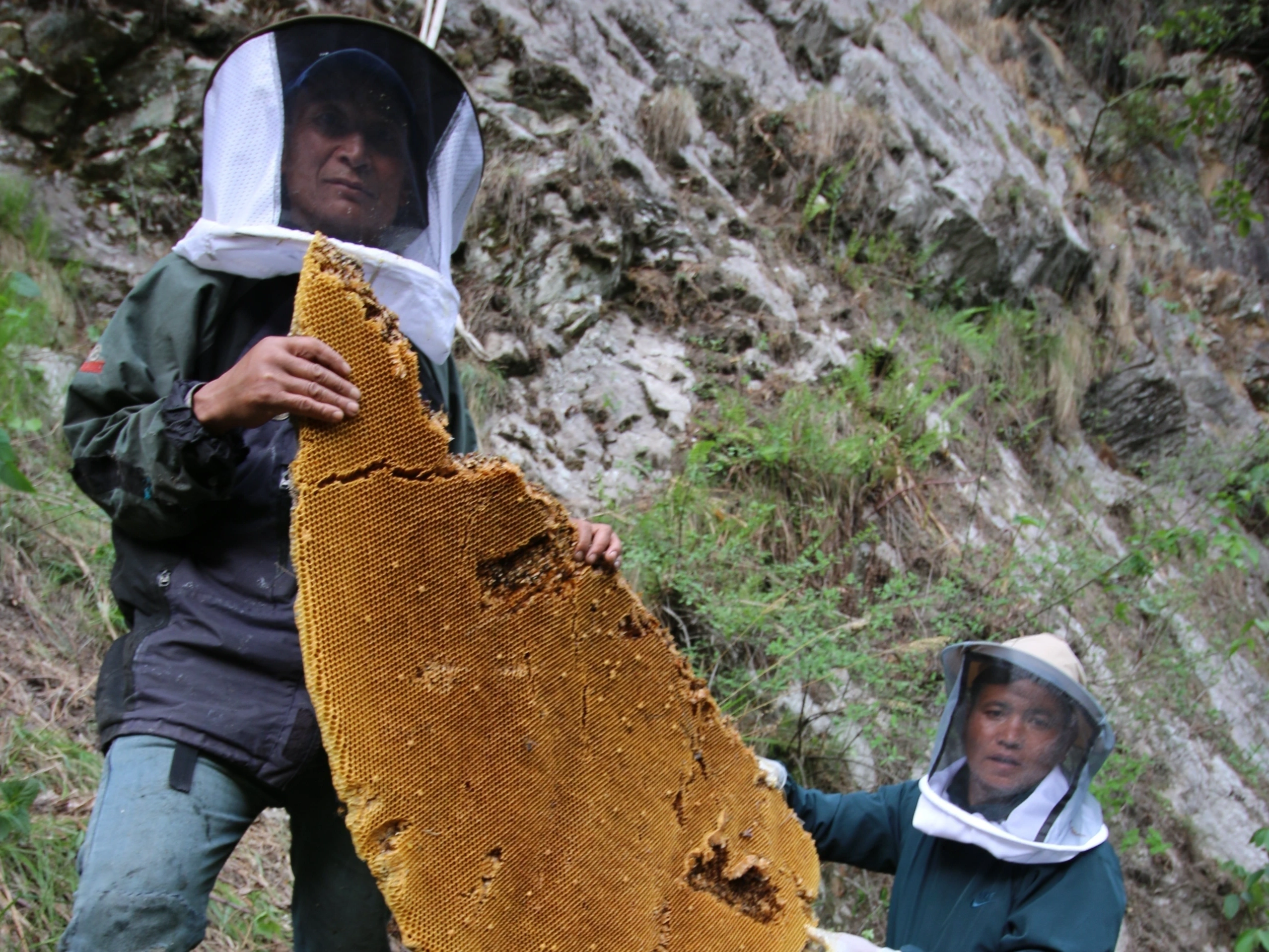
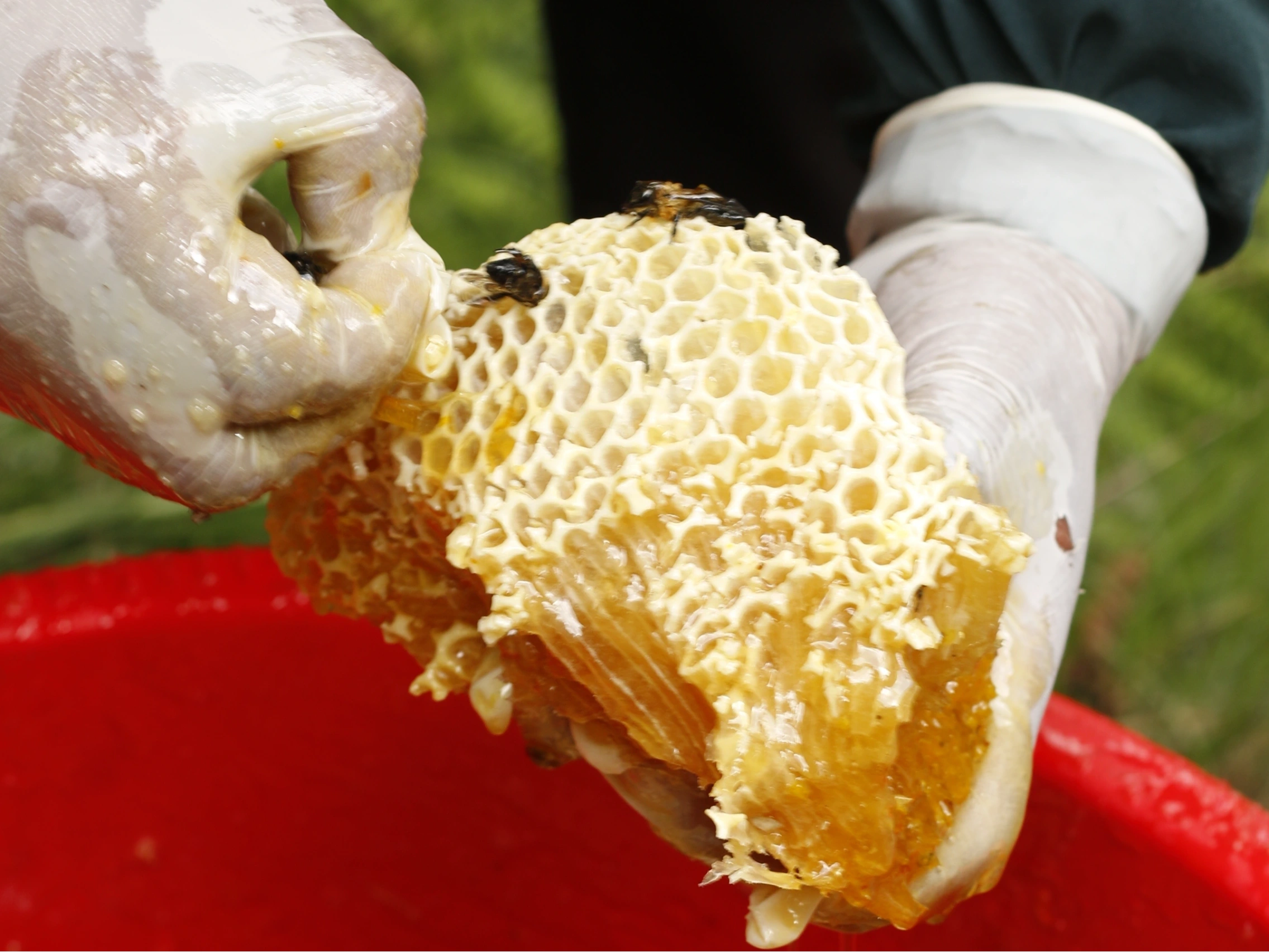
● Mad Honey is traditionally harvested from the cliffside nests of giant Himalayan honeybees (Apis laboriosa). Skilled local honey hunters use bamboo tools and rope ladders to reach the steep cliffs, carefully collecting honeycombs through generations-old harvesting practices.
-9340.webp)
-(1)-8320.webp)


Achham
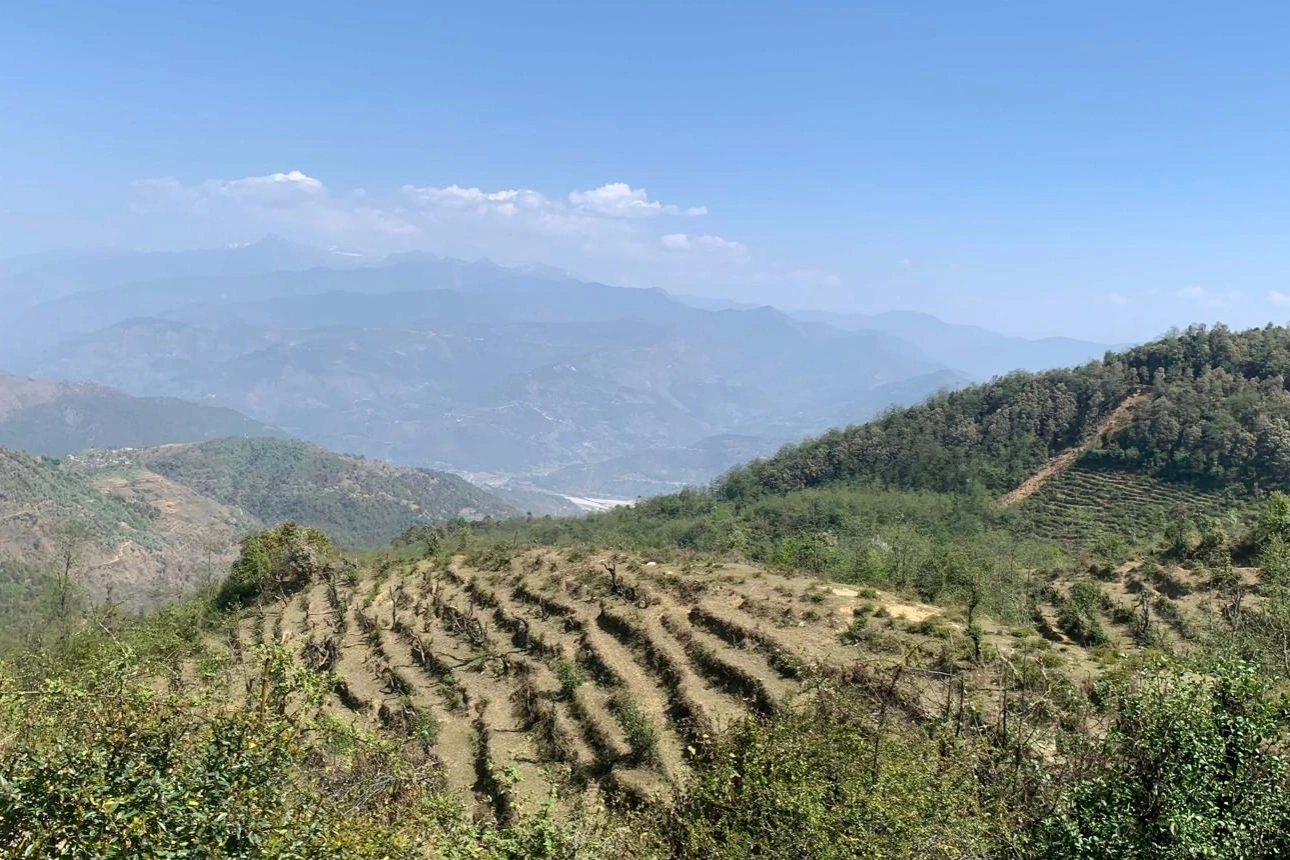
High in the wild hills of Achham, far in western Nepal, lives 50-year-old Bhim Bahadur Budha - quiet guardian of bees. His home, surrounded by deep forests, shelters 75 wooden hives that hum with life. Beekeeping runs in his family. What began with his grandfather has become Bhim’s lifelong rhythm; a bond with nature that’s lasted over 30 years. Twice a year, he harvests hone. Mostly in Mangsir, when the air is cool, the flowers are plenty, and the honey turns thick and golden. Other months like Jestha & Asar bring lighter, thinner honey, each with its own distinct color and taste. Nature decides everything: too much rain or too much dryness, and the harvest shrinks. The bees rely entirely on wild forest flowers for their nectar, collecting their food and water straight from nature.
Humla
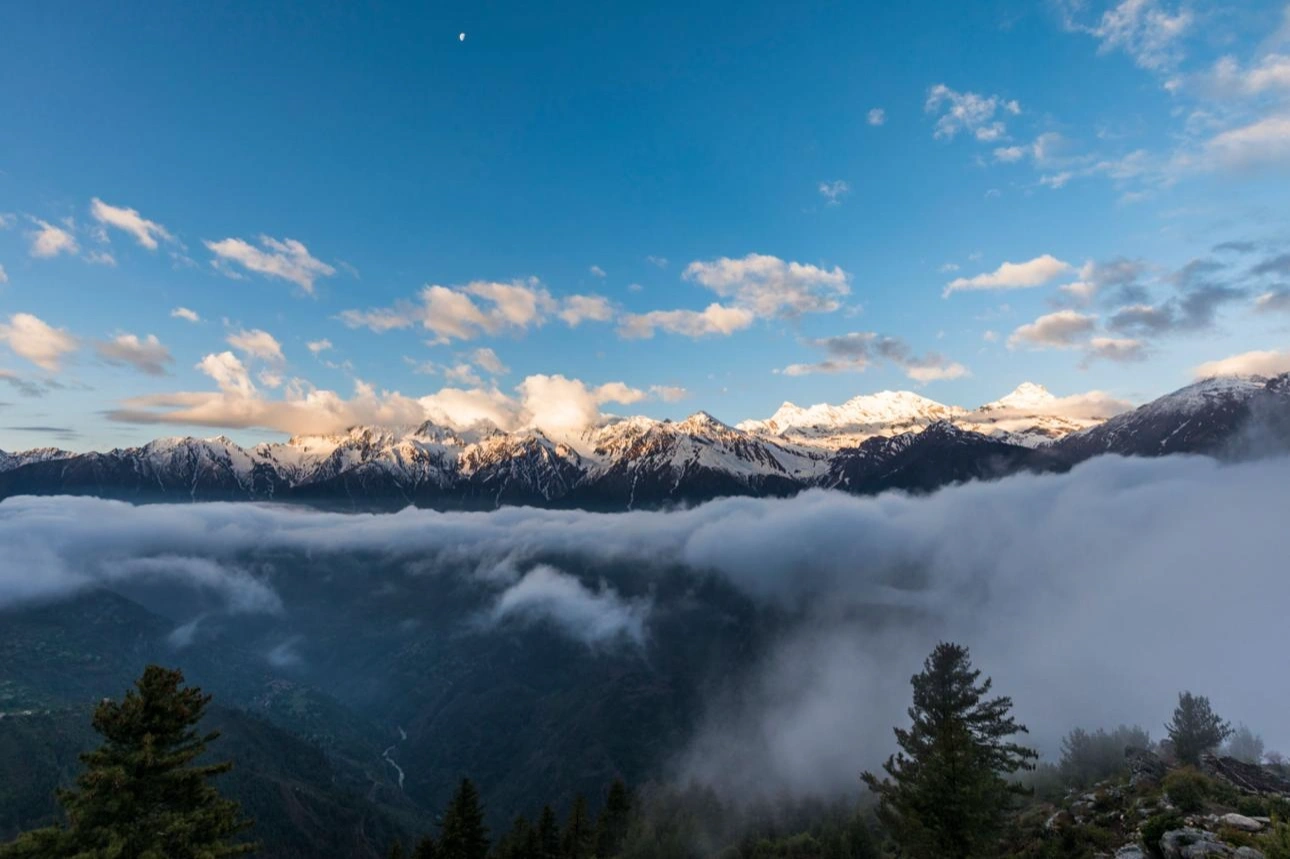
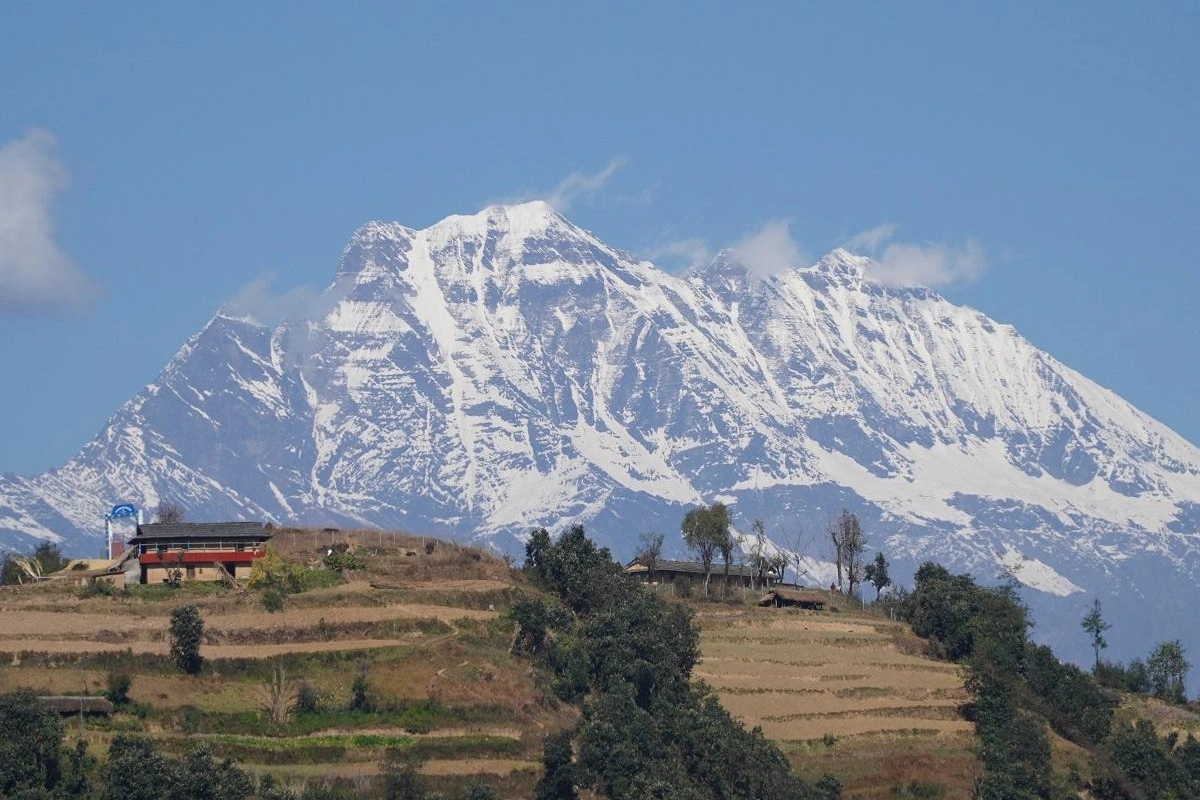
In the western Himalayas of Nepal, near the Nepal–Tibet border, a small farming community lives at high altitude, where winters cover the village in snow for nearly four months each year. Beyond their settlement, there are no other Nepali communities. The families depend on agriculture and animals, growing phappar, chino, kaguno, simi, and kodo, alongside harvesting honey. Both farming and honey collection are done only once a year, shaped by extreme weather and isolation. The white cream honey is harvested in mid-November at elevations of nearly 3,000 meters by three senior harvesters: Dhorje Lama (50), the leader, along with Karki Lama (55) and Samtang Lama (60). The short harvesting window and harsh climate require experience, speed, and courage. For them, honey harvesting is not a business, but a tradition passed down through generations
Rukum
In the rugged mountains of Rukum, Nepal, wild honey is found high above the ground, nestled within the steep cliffs of the Himalayas. Here, the giant Himalayan cliff bee (*Apis laboriosa*) builds its enormous nests on exposed rock faces. Local honey hunters follow generations-old traditions to reach these remarkable nests using rope ladders and traditional bamboo tools. Working together, the harvesters carefully collect honeycombs from the cliffs, bringing down a harvest shaped by wild bees, mountain flowers, and the natural environment. The honey carries a story of courage, traditional knowledge, and the deep connection between local communities and the Himalayan wilderness. From the cliffs of Rukum to your home, every jar tells a story of the wild Himalayas.
Meet the Bees Behind Our Honey
Not all honey comes from the same bees. Discover the two remarkable Himalayan honeybees behind our collection.
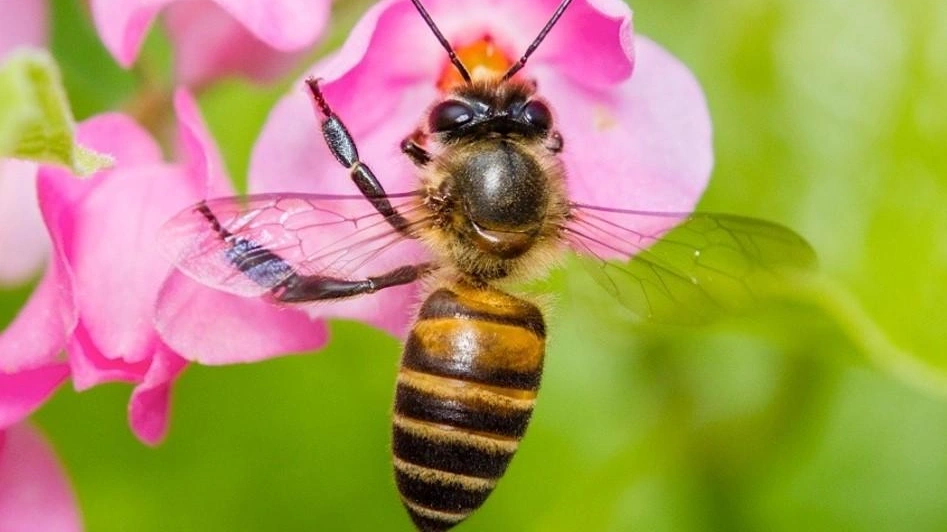
Apis cerana – The Asian Honeybee
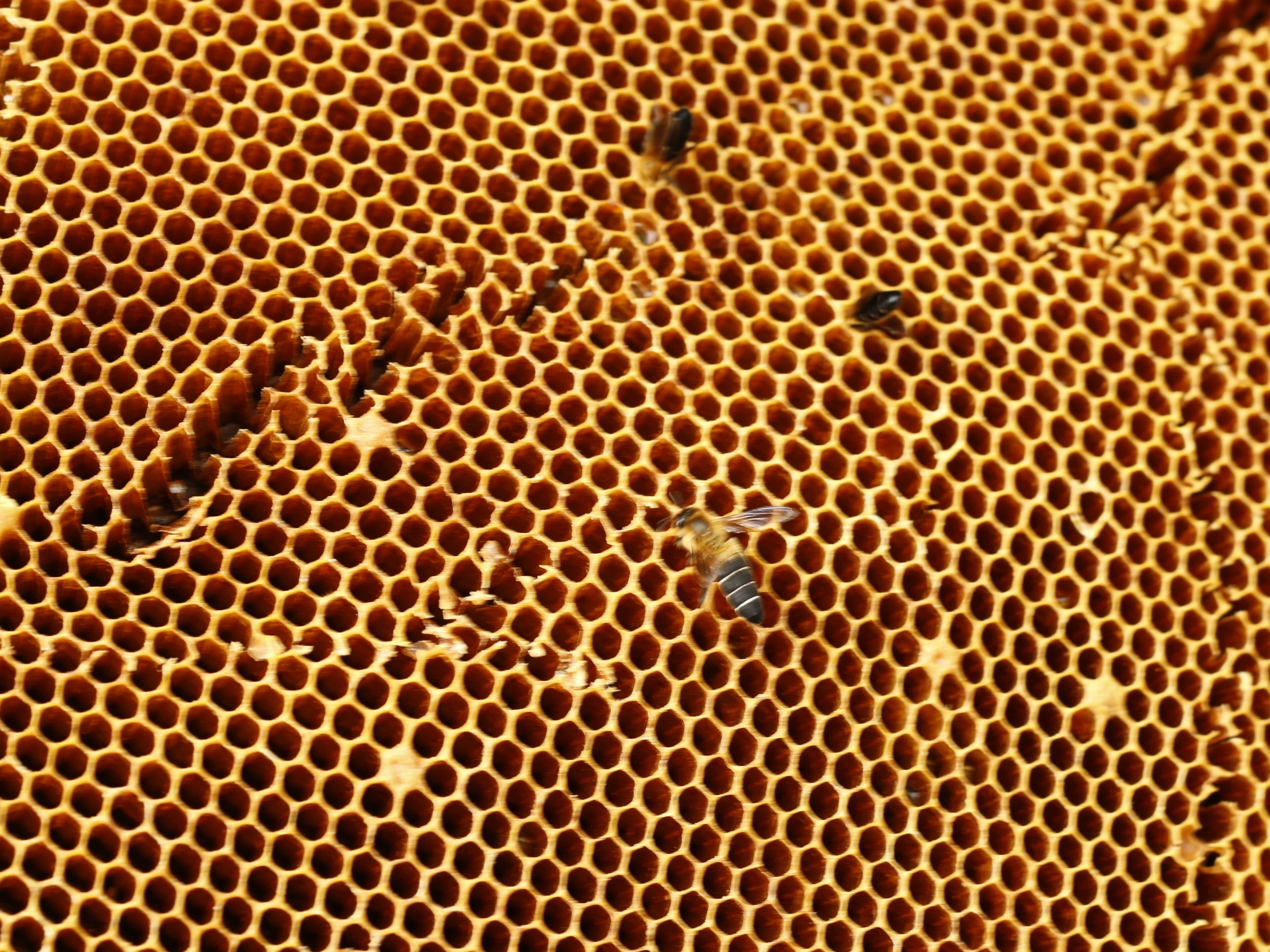
Apis cerana, commonly known as the Asian honeybee, is a small honeybee species traditionally kept by rural communities across Nepal. It lives in forests, hills, valleys, and mountain settlements, often in traditional wooden log hives known as Mude Ghaar. Worker bees collect nectar from flowers and carry it back to the hive, where natural enzymes and evaporation gradually transform it into honey, which is stored in wax honeycombs.
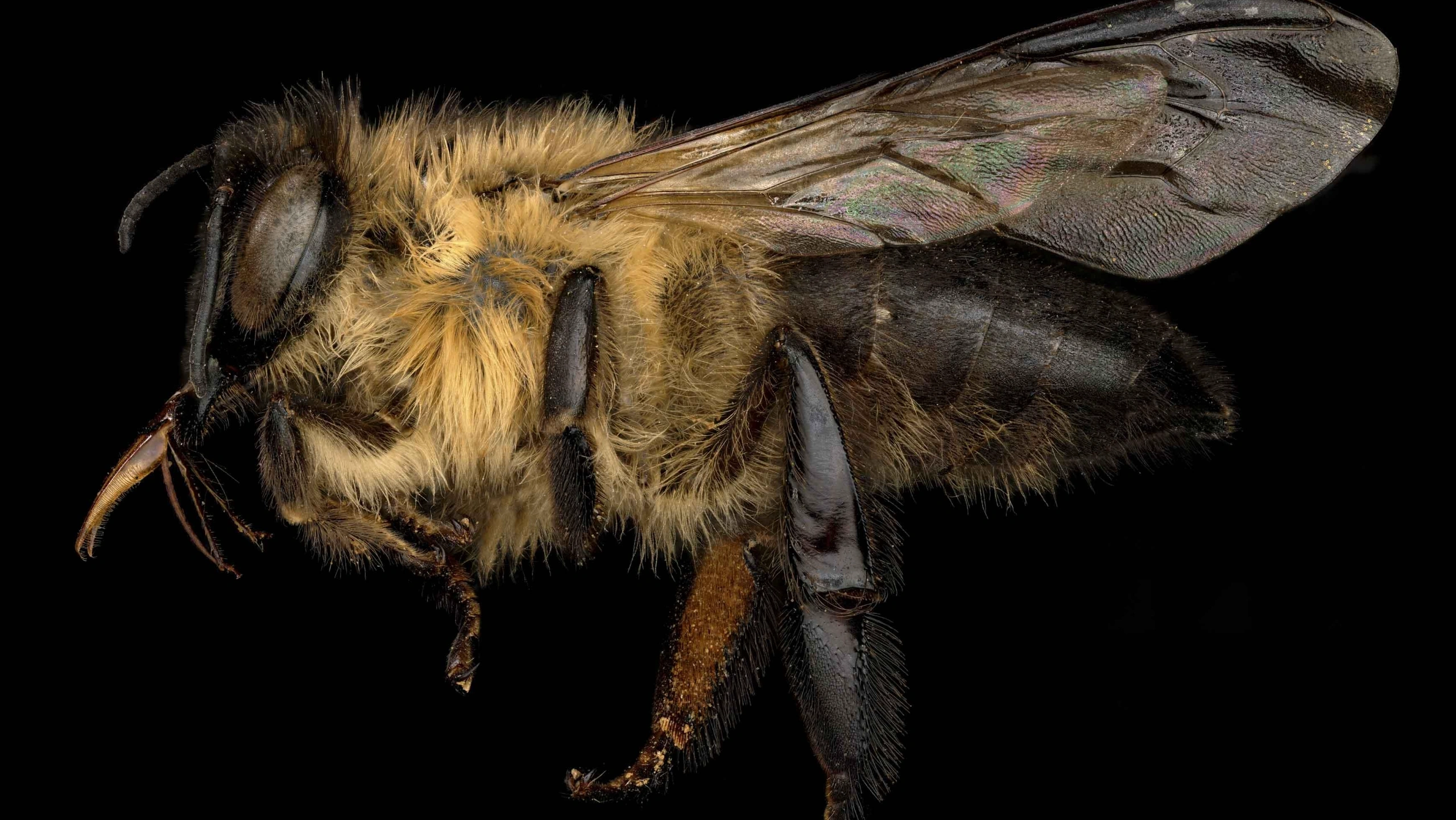
Apis laboriosa – The Giant Himalayan Honeybee
Apis laboriosa, known as the giant Himalayan honeybee, is the world's largest honeybee species and is native to the Himalayan region. Unlike hive-dwelling bees, it builds a single large exposed honeycomb beneath overhanging cliffs, often at elevations of 2,500–4,000 metres. Local honey hunters traditionally collect its honey using rope ladders and bamboo tools, climbing steep cliffs to reach the nests. This seasonal harvest requires considerable skill and reflects generations of traditional Himalayan honey-hunting knowledge.
TRACEABILITY AND QUALITY
Direct sourcing from farmers
QR code traceability
Our relevant DFTQC registration and quality information